Treating Metatarsalgia Caused by Fat Pad Pathology



4 January 2026
By Mark Reyneker, BTech (Podiatry), MSc (Palaeontology), Registered Podiatrist, Foot & Gait Specialist | Founder & Clinical Director, Family Podiatry Centre
Written by Mark Reyneker, B.T. Pod (SA), MSc (SA)
Registered Podiatrist & Human Gait Specialist
Founder / Clinical Director, Family Podiatry Centre
Published: 14 January 2026 | Last reviewed: 5 June 2026
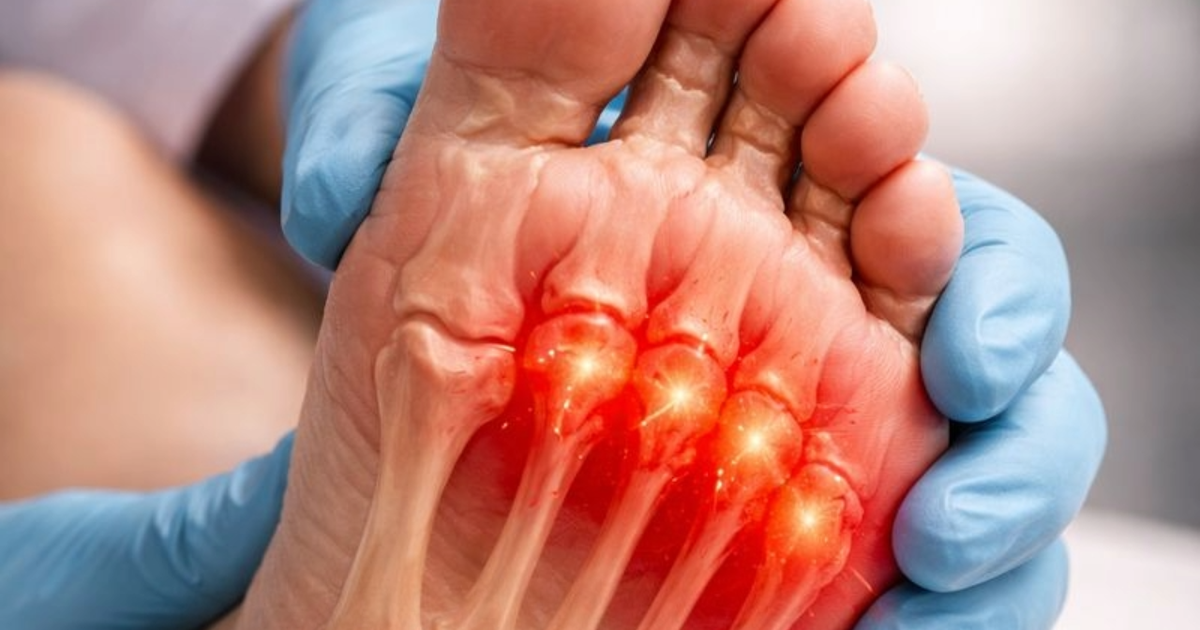
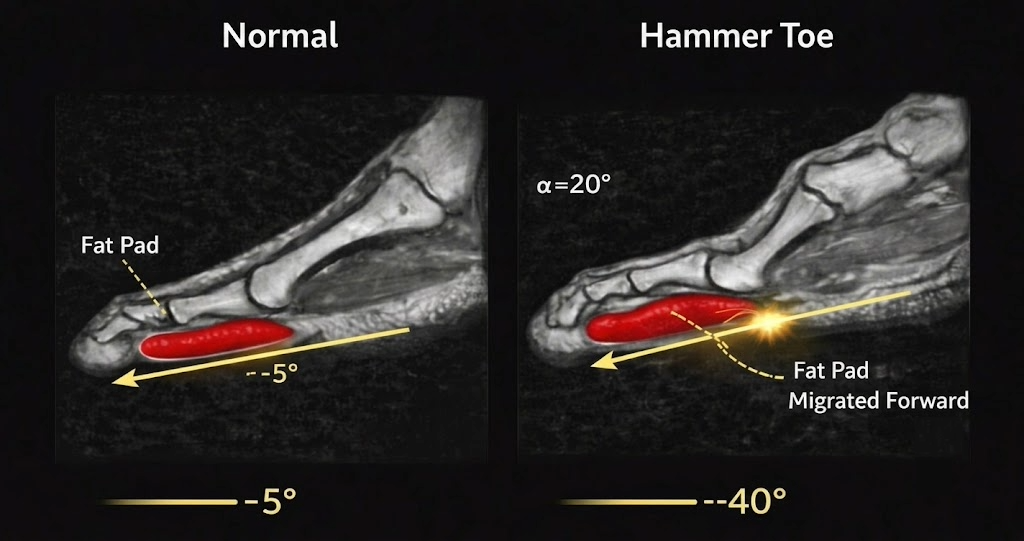
When a deformity like hammer toe pulls the natural fat pad forward, the metatarsal head is left unprotected. Metatarsal pads are designed to counteract the loss of natural cushioning caused by fat pad displacement. The offloading process works as follows:
Registered Podiatrist & Human Gait Specialist
Founder / Clinical Director, Family Podiatry Centre
Published: 14 January 2026 | Last reviewed: 5 June 2026
When a deformity like hammer toe pulls the natural fat pad forward, the metatarsal head is left unprotected. Metatarsal pads are designed to counteract the loss of natural cushioning caused by fat pad displacement. The offloading process works as follows:
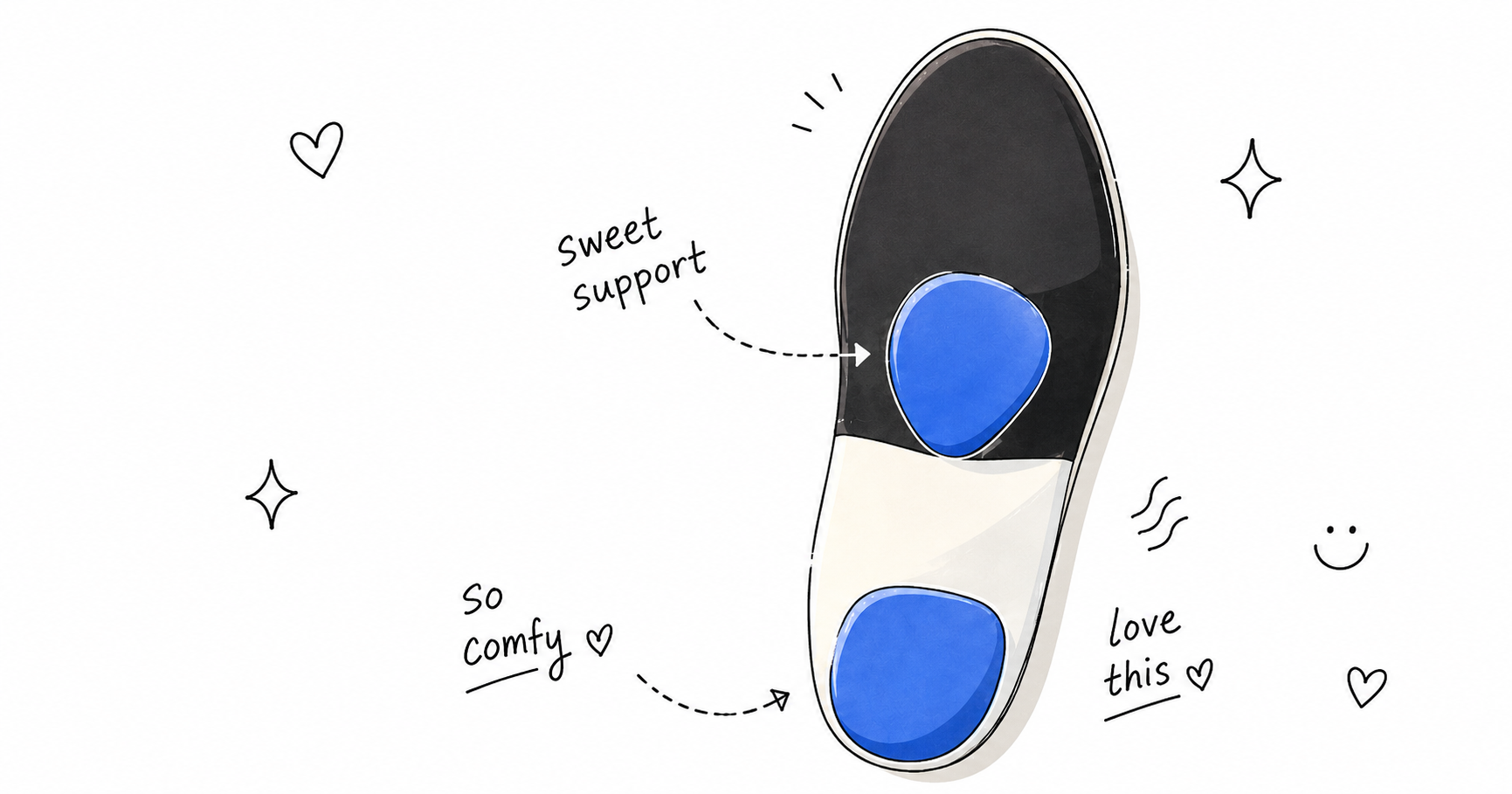
• Pressure Redistribution: MPs are placed just proximal (behind) the metatarsal head. This positioning transfers the weight-bearing load from the vulnerable bone to the adjacent soft tissue area that still has its structural integrity.
• Success Metrics (MPP and PTI): The study measured success using two key parameters: Maximal Peak Pressure (MPP), which is the highest pressure at a single point, and the Pressure-Time Integral (PTI), which measures the total pressure load over the entire duration of a step.
• The Findings: Application of teardrop-shaped polyurethane foam pads successfully decreased both MPP and PTI. A significant reduction in these values was directly correlated with subjective pain improvement recorded by patients.
Why PTI is the Critical Marker
One of the most insightful findings from the sources is that the decline in PTI is a more reliable indicator of pain relief than the decline in peak pressure alone.
• Overall Loading: While MPP is a "point estimation," PTI provides a better estimate of the overall pressure loading the tissue endures.
• Nociceptor Response: The sources suggest that pain receptors (nociceptors) respond more to the duration and total load (PTI) than to a brief moment of peak pressure. Therefore, an effective offloading strategy must focus on lowering the total load over time, not just the single hardest hit of the step.
Do Ready Made Over-The-Counter Treatments Work?
The research emphasizes that a "one-size-fits-all" approach to padding often fails:
• Anatomical Variation: Because of individual differences in foot anatomy and the degree of toe deformity, the optimal position for a pad varies.
• The Failure Rate: In roughly 22% to 40% of cases, standard MP placement fails to reduce pressure under the metatarsal head.
• Real-Time Monitoring: The study suggests that in-shoe plantar pressure measurements should be used to guide the placement of the pad. If the PTI and MPP do not decrease upon testing, the pad must be readjusted or replaced with a different size to achieve a therapeutic effect.
Sensory Modulation: The Gate Control Theory
Beyond mechanical offloading, the sources offer a fascinating theory on why these pads work: The Gate-Control Theory. By transferring pressure to adjacent tissues, the metatarsal pad increases sensory input (deep pressure) to those areas. This increased "noise" from healthy nerves may help "close the gate" on pain signals being sent from the inflamed metatarsal region, providing relief even beyond the physical reduction of weight.
Analogy:
Using a metatarsal pad is like putting a "speed bump" just before a pothole on a road. The pothole is your exposed metatarsal head. If you place the bump (the pad) correctly, the car's tire (your weight) is lifted up and over the hole, landing on the smooth pavement on the other side. If the bump is too small or in the wrong spot, the tire still falls into the hole. The study proves that the goal isn't just to make the "hit" less hard, but to ensure the tire spends as little time as possible "inside" the pothole (lowering the PTI).
Book An Appointment
Disclaimer: The word "treatment" in this article refers to the care and management of a patient’s health to prevent, cure, or improve a condition. Treatment results vary and do not necessarily indicate a cure. This article is for informational and educational purposes only and does not constitute medical advice.
About the Author
Mark B. Reyneker, BTech (Podiatry), MSc (Palaeontology) is a podiatrist and Founder & Clinical Director of Family Podiatry Centre, with more than 25 years of clinical experience across South Africa, Malaysia and Singapore. His clinical interests include foot and lower-limb pain, gait and biomechanics, sports-related foot conditions, orthotic therapy and footwear.
Alongside his clinical practice, Mark conducts research into human gait and foot biomechanics. His MSc research at the University of the Witwatersrand investigated human propulsion and the structural properties of the metatarsals. He is also the inventor of A Foot Orthotic, an orthotic technology developed through an international patent family.
Using a metatarsal pad is like putting a "speed bump" just before a pothole on a road. The pothole is your exposed metatarsal head. If you place the bump (the pad) correctly, the car's tire (your weight) is lifted up and over the hole, landing on the smooth pavement on the other side. If the bump is too small or in the wrong spot, the tire still falls into the hole. The study proves that the goal isn't just to make the "hit" less hard, but to ensure the tire spends as little time as possible "inside" the pothole (lowering the PTI).
Book An Appointment
Disclaimer: The word "treatment" in this article refers to the care and management of a patient’s health to prevent, cure, or improve a condition. Treatment results vary and do not necessarily indicate a cure. This article is for informational and educational purposes only and does not constitute medical advice.
About the Author
Mark B. Reyneker, BTech (Podiatry), MSc (Palaeontology) is a podiatrist and Founder & Clinical Director of Family Podiatry Centre, with more than 25 years of clinical experience across South Africa, Malaysia and Singapore. His clinical interests include foot and lower-limb pain, gait and biomechanics, sports-related foot conditions, orthotic therapy and footwear.
Alongside his clinical practice, Mark conducts research into human gait and foot biomechanics. His MSc research at the University of the Witwatersrand investigated human propulsion and the structural properties of the metatarsals. He is also the inventor of A Foot Orthotic, an orthotic technology developed through an international patent family.