The Great Fat Pad Migration

4 January 2026

Explainer video

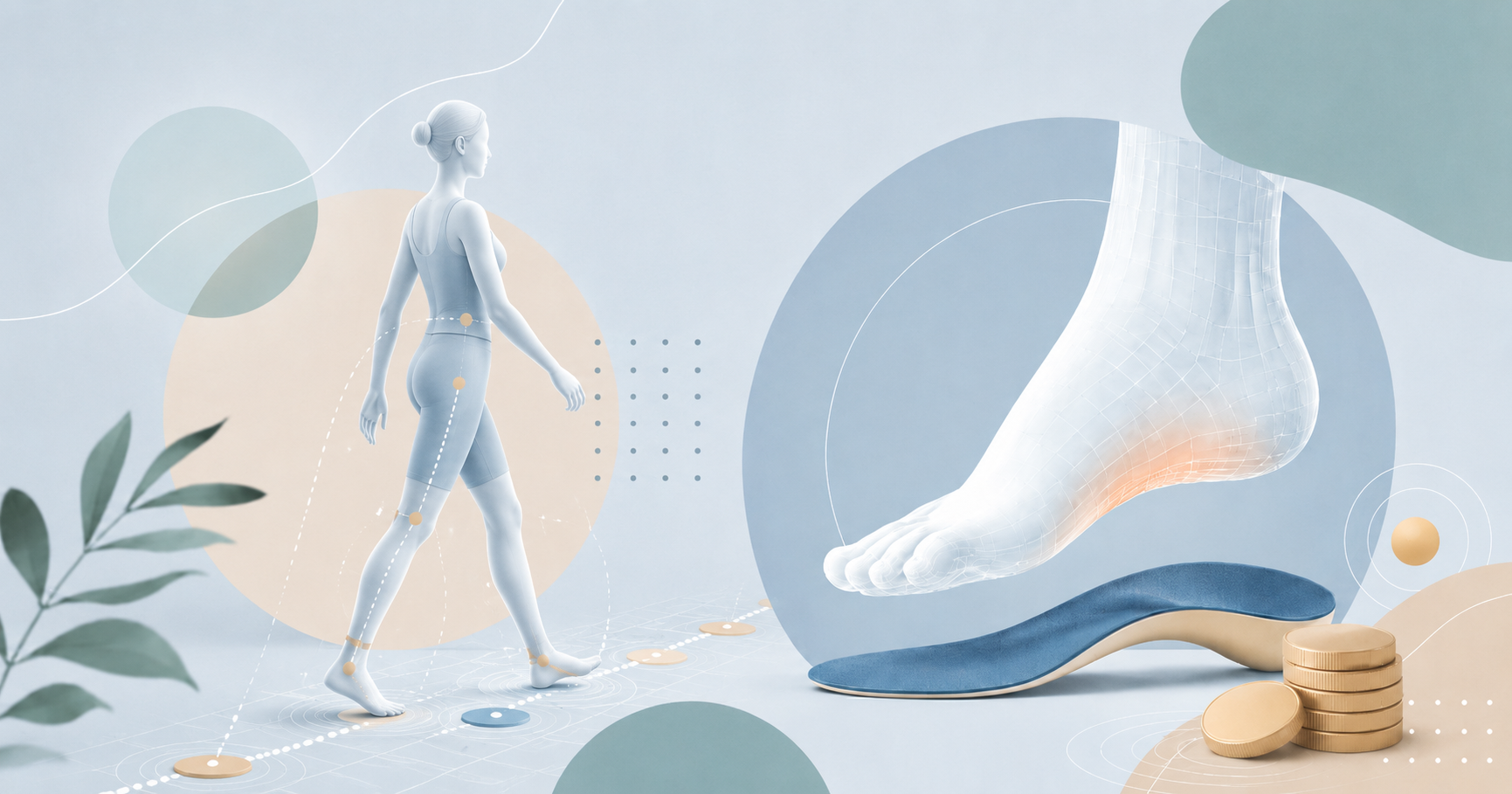
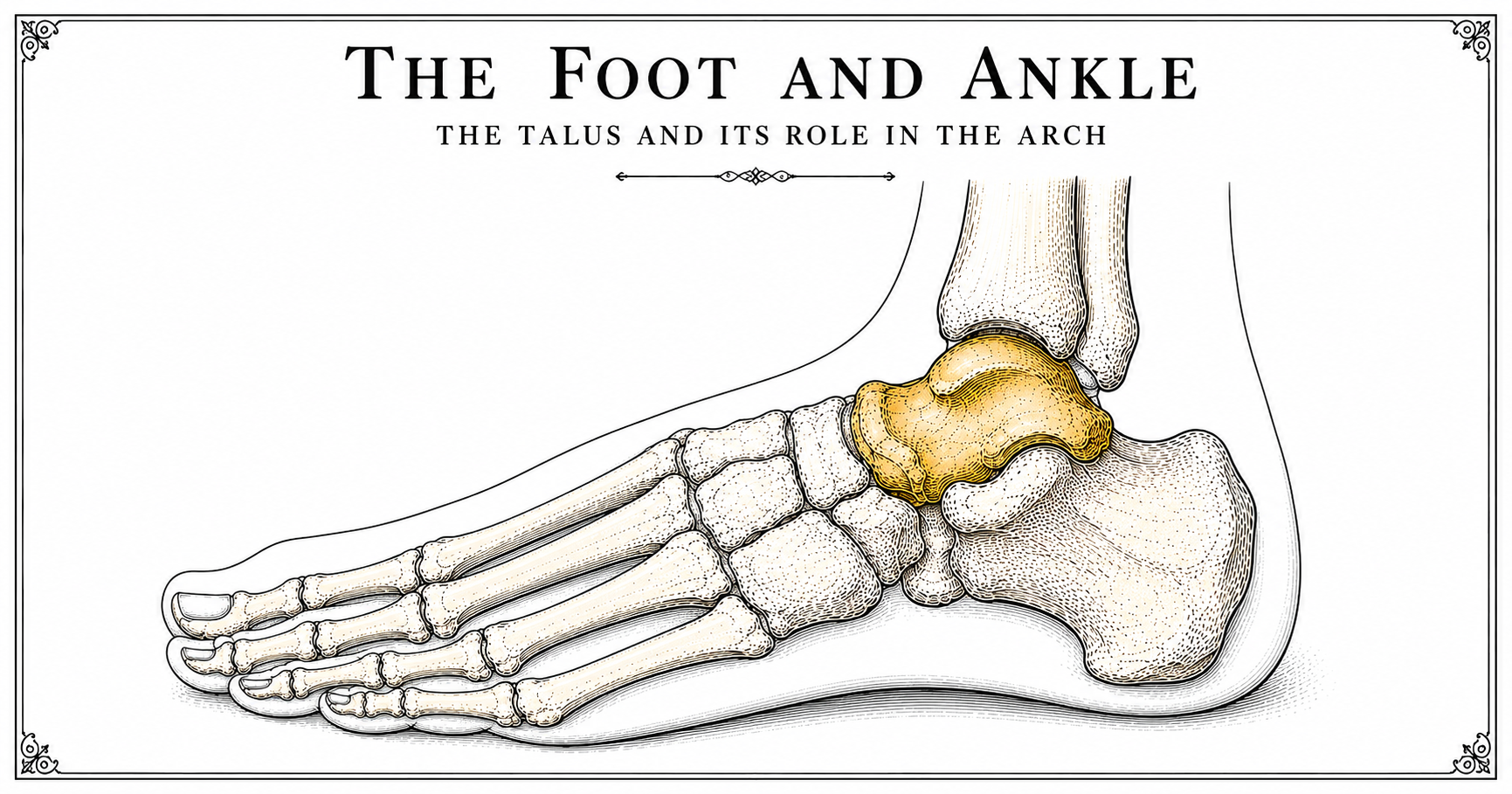
The plantar fat pad is a specialized collection of adipocytes (fat cells) encased in a "regular arrangement" of fibrous tissue septa. These septa are rich in elastin to provide mechanical strength and are anchored firmly to both the skin and the proximal phalanges (toe bones).
This architecture makes the fat pad a "prototypical shock absorber," with the density of sensory nerves at the metatarsal heads (MTHs) being twice as high as in proximal regions to help the body detect and manage weight-bearing stimuli.

The Evolution of Pathology: Atrophy vs. Migration

Historically, researchers believed that fat pads in the foot simply atrophied (shrank) due to diabetes.

The Atrophy Theory: Suggested that high blood sugar (glycation) caused collagen fibrils to become distorted and fragmented, leading to a 30% reduction in surface area and a 16% decrease in the diameter of fat cells in the heel.

The Migration Theory: Newer research indicates that in the forefoot, the number and size of fat cells often remain normal, but they shift position. Studies found no significant difference in fat cell size between diabetic and healthy individuals, suggesting the "thinning" felt by patients is actually a mechanical displacement.

Quantifying the Distal Shift
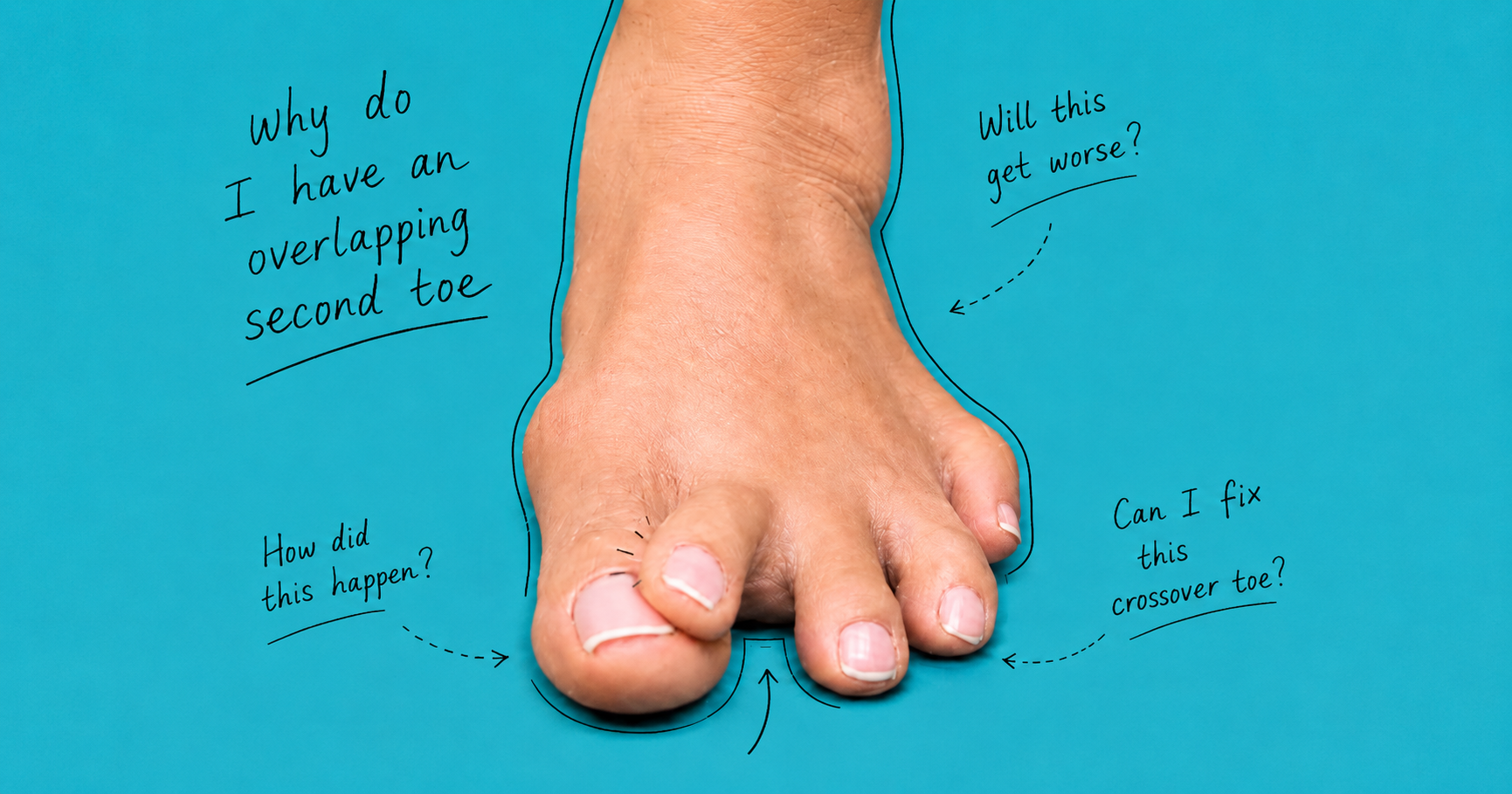
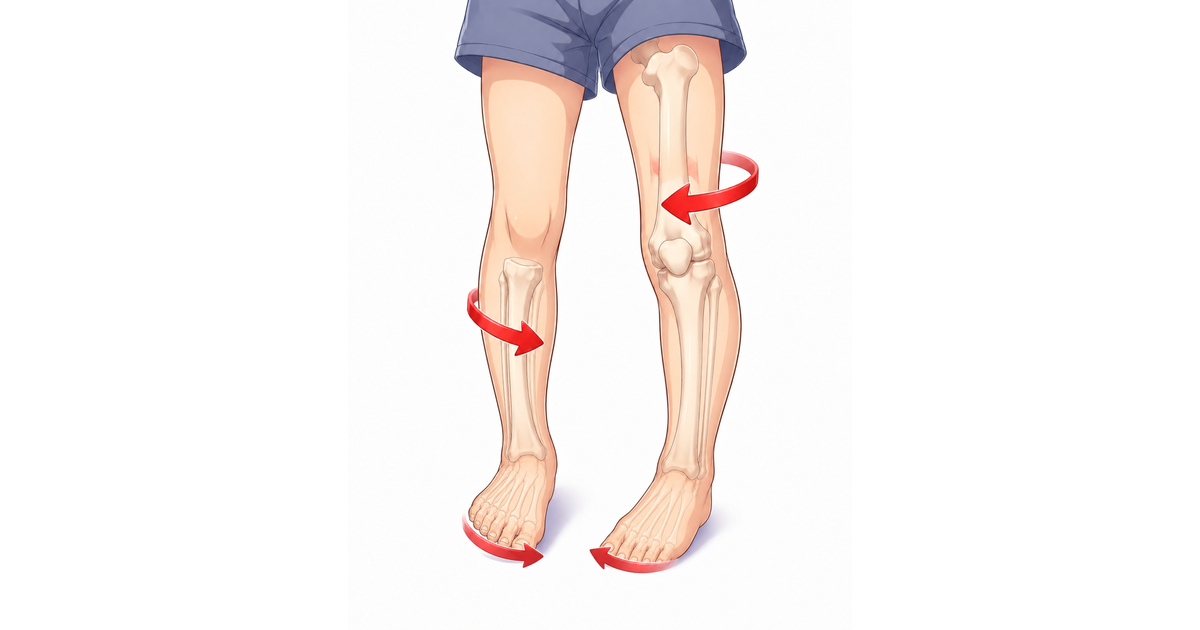
When a hammer or claw toe deformity occurs, the metatarsophalangeal (MTP) joint hyperextends. Because the fat pad is tethered to the toe bone, this upward bend creates a "distal pull," dragging the cushion forward.

The sources provide precise data on this shift:

Sub-MTH Thinning: In feet with toe deformities, the protective fat under the metatarsal head drops from an average of 6.0 mm to just 2.5 mm.
Sub-phalangeal Thickening: As the fat is pulled forward, the padding under the toe bone increases from 7.6 mm to 9.1 mm.
The 65% Reduction: The "thickness ratio" (the balance of fat between the ball of the foot and the toe) decreases by 65% in deformed feet.
Direct Correlation: There is a powerful 0.85 correlation between the severity of the toe angle and the displacement of the fat pad—meaning the more the toe "claws," the further the cushion migrates away from the bone.

Structural Breakdown: Rupture and Exposure

In the most severe cases of deformity, the tissue does more than just move; it breaks. In nearly one-half (50%) of deformed toes studied via MRI, the fat tissue was found to be discontinuous or almost completely absent under the metatarsal head. This suggests that the distal pull can become so extreme that the plantar fat pad actually ruptures or separates, leaving the MTH "prominent and unprotected" against the ground.

Clinical Consequences and New Frontiers

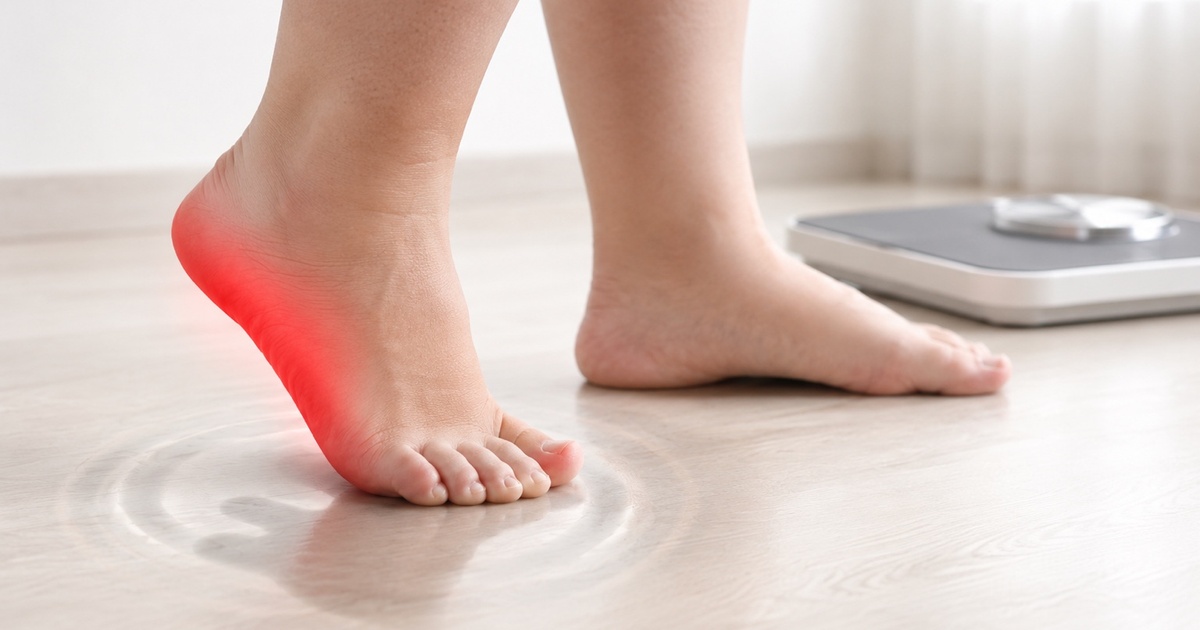
This migration transforms the ball of the foot into a high-pressure zone. This structural shift is a significant predictor of elevated plantar pressure, which is the leading risk factor for skin trauma and ulceration.

Disclaimer: The word "treatment" in this article refers to the care and management of a patient’s health to prevent, cure, or improve a condition. Treatment results vary and do not necessarily indicate a cure.

References:

Bus, S.A., Maas, M., Cavanagh, P.R., Michels, R.P.J. and Levi, M. (2004) ‘Plantar Fat-Pad Displacement in Neuropathic Diabetic Patients With Toe Deformity: A magnetic resonance imaging study’, Diabetes Care, 27(10), pp. 2376–2381.

Dalal, S., Widgerow, A.D. and Evans, G.R.D. (2015) ‘The plantar fat pad and the diabetic foot – a review’, International Wound Journal, 12(6), pp. 636–640.

Kang, J.-H., Chen, M.-D., Chen, S.-C. and Hsi, W.-L. (2006) ‘Correlations between subjective treatment responses and plantar pressure parameters of metatarsal pad treatment in metatarsalgia patients: a prospective study’, BMC Musculoskeletal Disorders, 7(95), doi:10.1186/1471-2474-7-95.
 
Mark Reyneker
B.T. Pod (SA), MSc (SA)
Podiatrist and Human Gait Specialist
Registered with the Podiatry Association of Singapore

Founder and Director:
Family Podiatry Centre Pte Ltd
Family Podiatry Centre Sdn Bhd
Solescape Orthotics Laboratory
Solescape Shoes brand

All rights reserved | Sitemap