Foot Fat Pad Atrophy and Fat Pad Migration



3 January 2026
By Mark Reyneker, BTech (Podiatry), MSc (Palaeontology), Registered Podiatrist, Foot & Gait Specialist | Founder & Clinical Director, Family Podiatry Centre
Explainer video
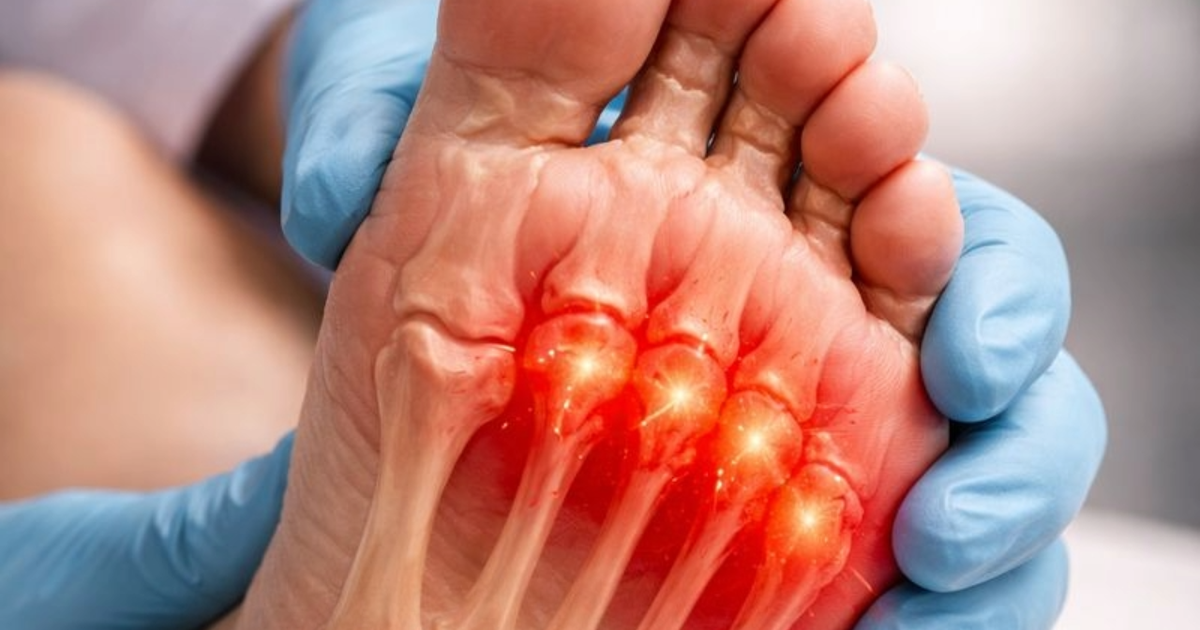
If you have been experiencing discomfort in the ball of your foot (the front bottom) that is especially worse when walking barefooted then you may be experiencing a condition known as metatarsalgia.
What is Metatarsalgia?
How and Why Does the Fat Pad Atrophy?
The Mechanism of Fat Pad Migration
Summary of Causes
Aging: Cellular senescence and loss of elasticity (Atrophy).
Claw/Hammer Toe: Mechanical "pull" of the pad toward the toes (Migration).
Steroid Injections: Chemical destruction of adipose tissue (Atrophy).
Analogy
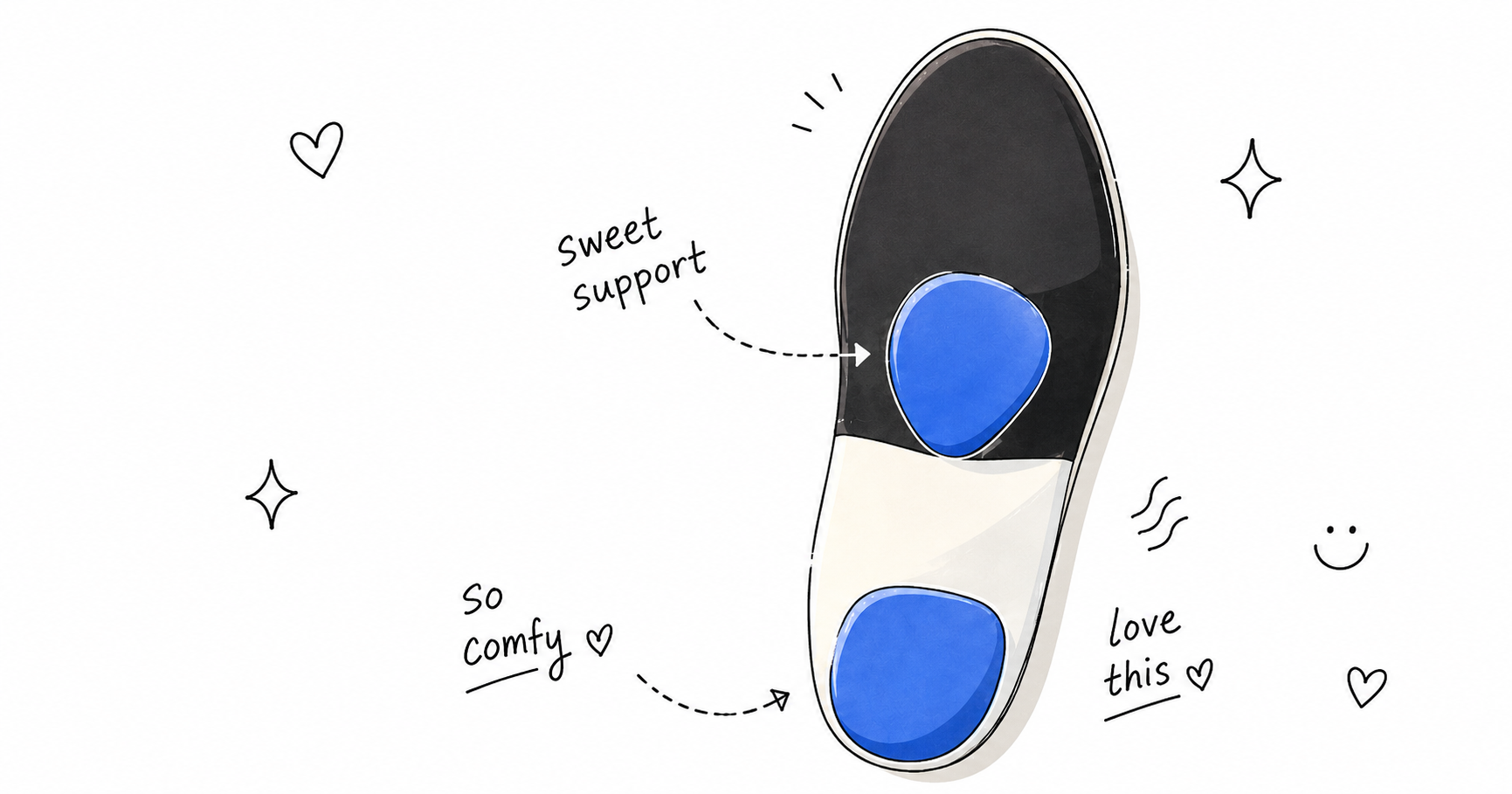
Think of the plantar fat pad as a thick, gel-filled insole glued inside your shoe. Atrophy is like the gel leaking out or drying up over time until the insole is paper-thin and useless. Migration is like the insole sliding forward toward the toes; even if the insole is still thick and "healthy," your heel and the ball of your foot are now hitting the hard plastic of the shoe because the cushion is no longer where the impact actually happens.
Book An Appointment
Disclaimer: The word "treatment" in this article refers to the care and management of a patient’s health to prevent, cure, or improve a condition. Treatment results vary and do not necessarily indicate a cure. This article is for informational and educational purposes only and does not constitute medical advice.
About the Author
Mark B. Reyneker, BTech (Podiatry), MSc (Palaeontology) is a podiatrist and Founder & Clinical Director of Family Podiatry Centre, with more than 25 years of clinical experience across South Africa, Malaysia and Singapore. His clinical interests include foot and lower-limb pain, gait and biomechanics, sports-related foot conditions, orthotic therapy and footwear.
Alongside his clinical practice, Mark conducts research into human gait and foot biomechanics. His MSc research at the University of the Witwatersrand investigated human propulsion and the structural properties of the metatarsals. He is also the inventor of A Foot Orthotic, an orthotic technology developed through an international patent family.
References
Frequently Asked Questions
When the fat pad thins (atrophy) or slides forward out of place (migration), the rounded ends of your metatarsal bones lose their natural shock absorber. Without this cushion, your weight presses directly on hard bones and ground surfaces during every step, producing a sensation often described as walking on bone, pebbles, or a marble.
High blood glucose levels lead to the formation of Advanced Glycation End products (AGEs), which cause abnormal cross-linking of collagen fibers within the fat pad. Additionally, diabetes-related microangiopathy (damaged blood vessels) reduces blood circulation to the tissue, making the fat pad less elastic and reducing its ability to absorb impact.
Because lost or migrated fat tissue cannot easily be moved back into place naturally, treatment focuses on mechanical offloading. Podiatrists utilize custom orthotics with metatarsal pads, cushioned footwear, and pressure-redistribution techniques to protect the metatarsal heads from direct impact during walking.