Stepping Past the Pain: Why Shockwave Therapy Could Be the Answer to Your Achilles Tendinopathy
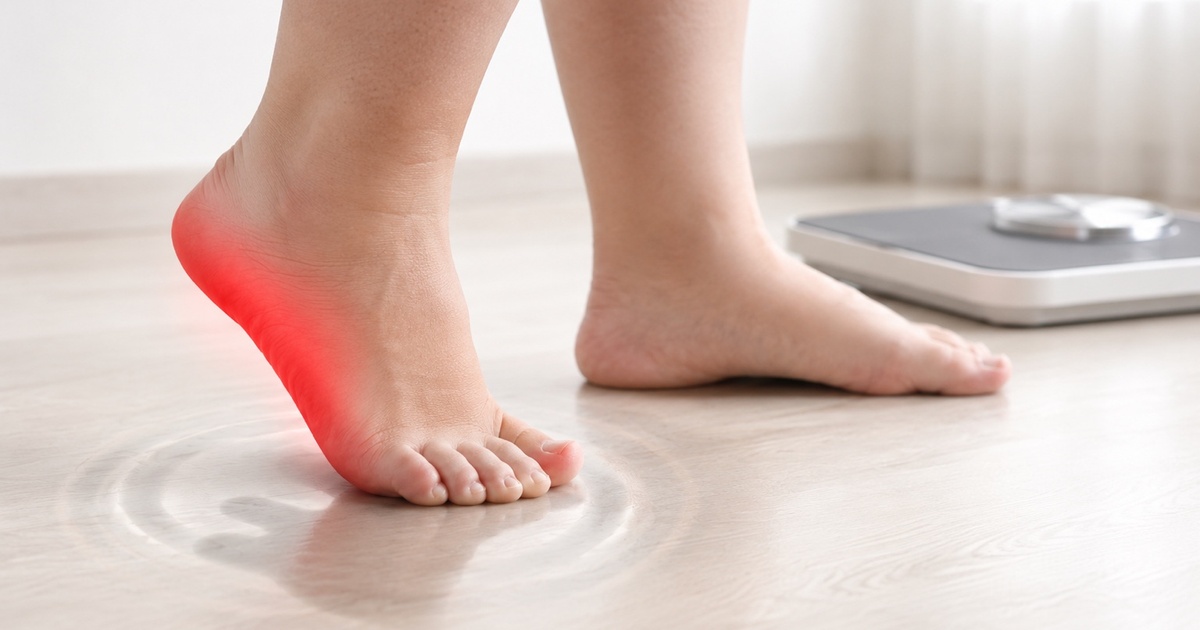
If you have ever experienced a persistent, nagging pain at the back of your heel or lower calf, you might be dealing with Achilles tendinopathy. This common condition—often described as a frustrating trio of tendon pain, swelling, and reduced physical performance—frequently strikes runners, athletes who jump, and even the general public (Rompe, Furia and Maffulli, 2008).
While a period of rest, painkillers, and physical therapy are the standard first steps, they unfortunately do not work for everyone (Rompe, Furia and Maffulli, 2008). If you have been doing your calf stretches and taking anti-inflammatories without success, there is a scientifically backed, non-surgical option you should know about Extracorporeal Shock Wave Therapy.
Extracorporeal Shock Wave Therapy (ESWT)
Here is a detailed look at why ESWT is emerging as a fantastic option for managing Achilles tendinopathy.
What is Extracorporeal Shock Wave Therapy (ESWT)?
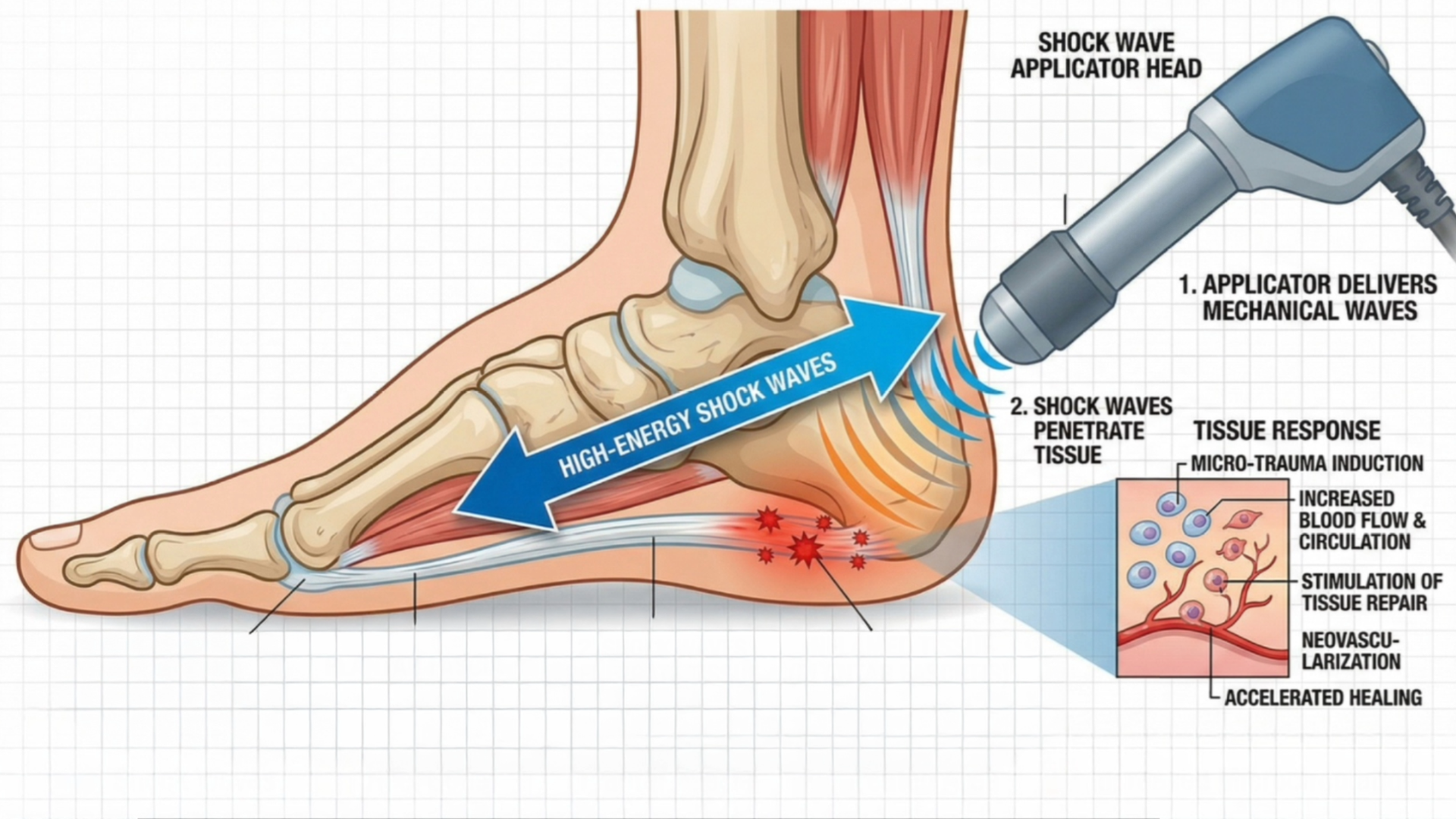
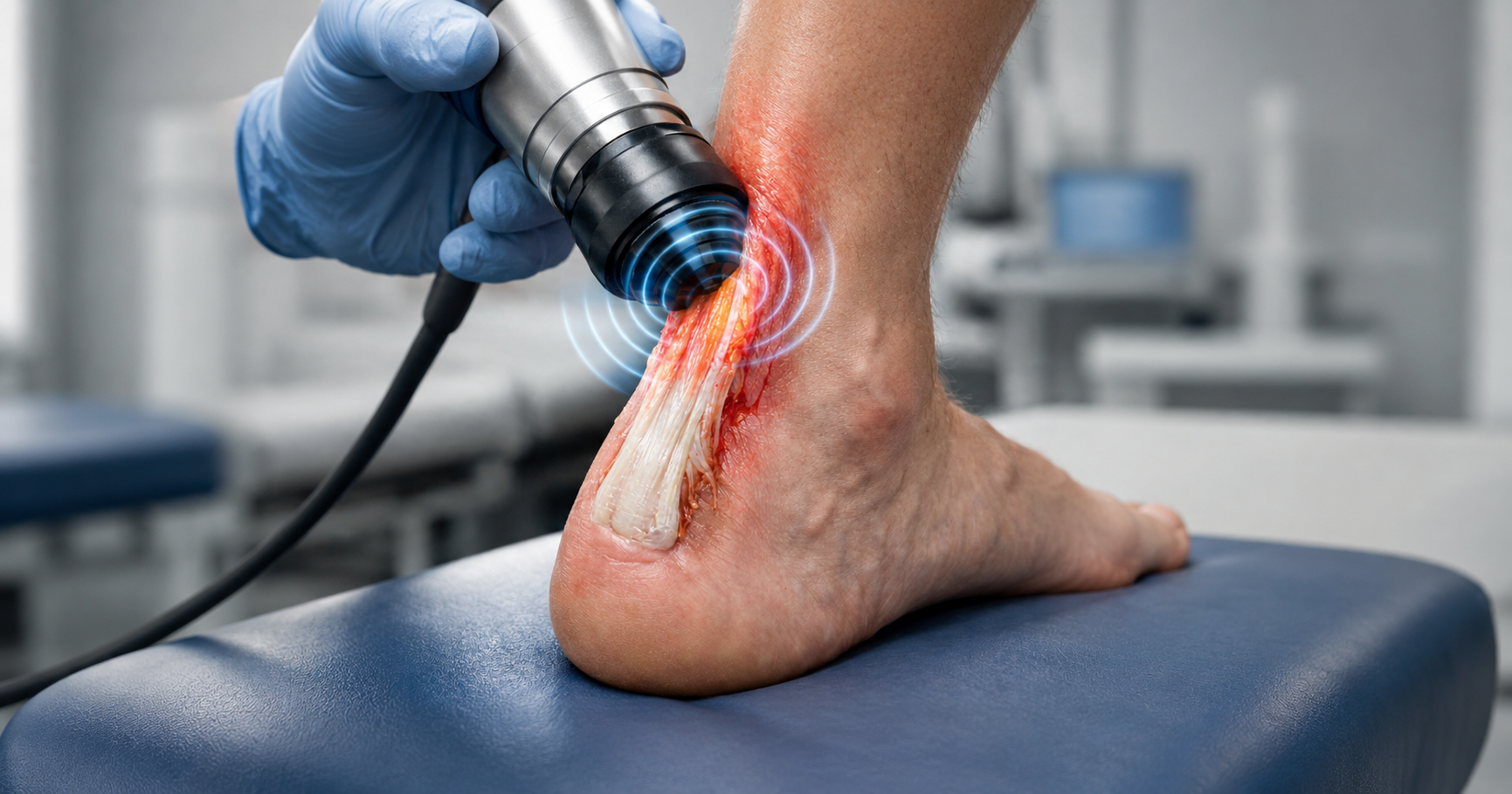
Despite the intimidating name, ESWT does not involve electric shocks. Instead, it uses a specialized device to deliver acoustic shock waves (sound waves) into the injured tissue through the skin, using a standard ultrasound gel (Rompe, Furia and Maffulli, 2008).
Originally used to break up kidney stones, low-energy shock wave therapy has been adapted for muscle and bone conditions because of its profound healing effects. These sound waves stimulate soft-tissue healing, promote the formation of new blood vessels (angiogenesis), and help inhibit the receptors that cause you to feel pain (Rompe, Furia and Maffulli, 2008). Ultimately, ESWT is considered a secondary conservative treatment specifically for stubborn, persistent tendinopathies that have not responded to standard care (Paantjens et al., 2022).
The Evidence: Does it Actually Work?
In recent years, researchers have heavily scrutinized ESWT, and the results are highly encouraging for patients dealing with chronic heel pain.
A major 2020 meta-analysis, which pooled data from multiple studies, concluded that ESWT significantly improves pain and functional outcomes for patients with Achilles tendinopathy compared to other non-surgical treatments (Fan et al., 2020). But the effectiveness of the treatment can sometimes depend on where your tendon is injured.
Medical professionals generally divide Achilles tendinopathy into two types based on location:
- Mid-portion tendinopathy: Pain in the middle of the tendon.
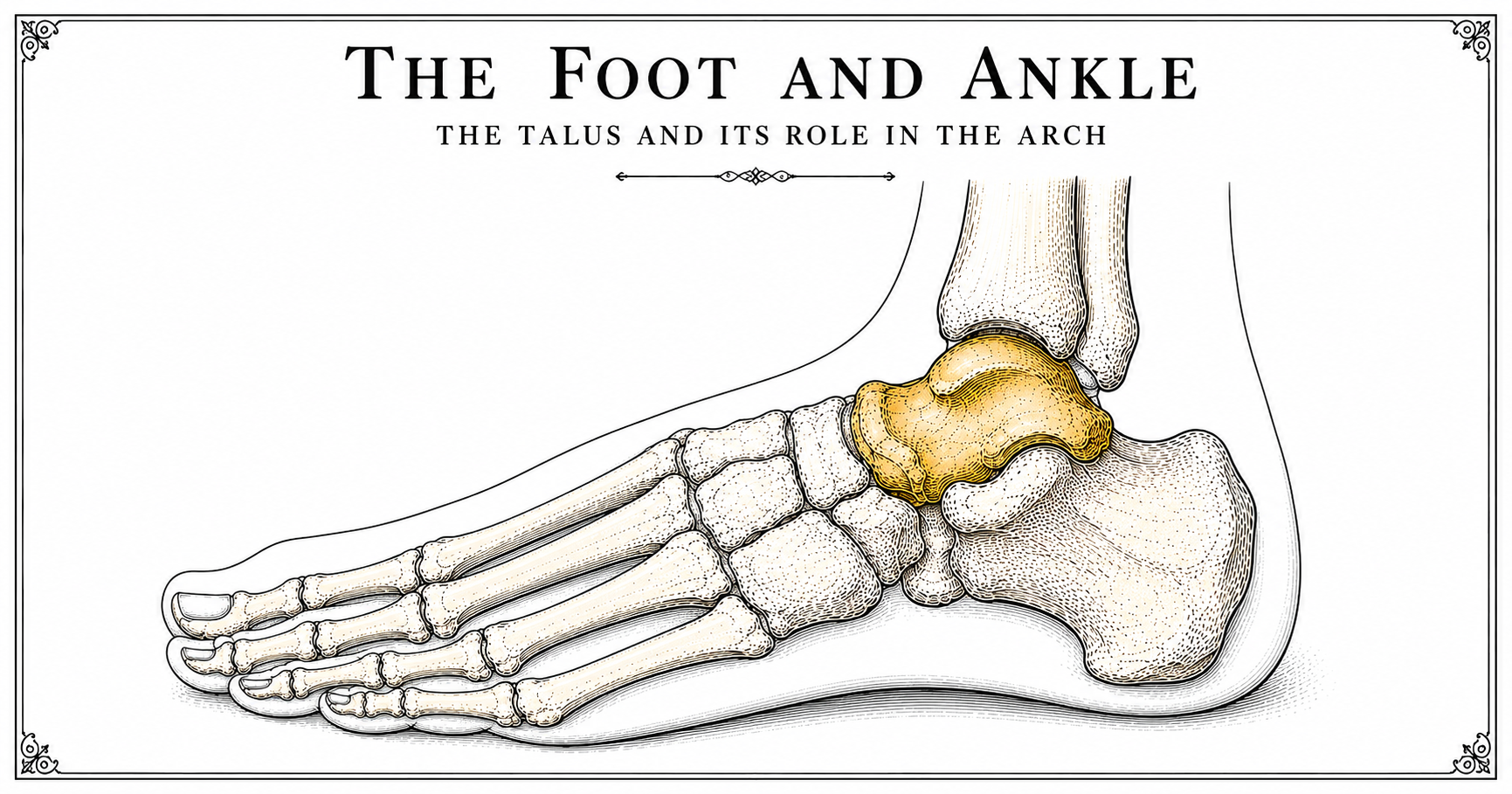
- Insertional tendinopathy: Pain right at the junction where the tendon attaches to the heel bone (Rompe, Furia and Maffulli, 2008).
For mid-portion Achilles tendinopathy, recent systematic reviews have found moderate-quality evidence showing that adding ESWT to a standard "tendon loading" physical therapy program results in clinically important improvements in pain and function (Paantjens et al., 2022). Combining the shock waves with your prescribed exercises is widely considered to yield superior long-term results (Paantjens et al., 2022).
For insertional Achilles tendinopathy, ESWT is also a very promising alternative. Traditional "eccentric" calf exercises—which involve dropping your heel off a step—can sometimes be ineffective for insertional pain (Rompe, Furia and Maffulli, 2008). In a randomized controlled trial specifically looking at insertional tendinopathy, 64% of patients treated with ESWT reported being completely recovered or much improved at four months, compared to only 28% of patients who just did eccentric calf exercises (Rompe, Furia and Maffulli, 2008). While more recent reviews note that results for insertional tendinopathy can sometimes be mixed depending on the patient's specific anatomy, ESWT remains a highly recommended option to try before considering invasive procedures (Paantjens et al., 2022).
A Safe, Non-Surgical Alternative
One of the most appealing aspects of shockwave therapy is its safety profile. Because it is entirely non-invasive, it circumvents the massive downsides of surgery, such as prolonged immobilization, reduced weight-bearing, time lost from work, and the risk of infection (Rompe, Furia and Maffulli, 2008).
The side effects are incredibly mild. Studies note that patients experience virtually no major morbidity, with the most common side effect being a temporary, transient reddening of the skin over the treatment area (Fan et al., 2020; Rompe, Furia and Maffulli, 2008).
Conclusion
Dealing with chronic Achilles tendinopathy can feel like an endless cycle of pain and limited mobility. However, if standard rest and physical therapy are not working for you, you do not have to jump straight to the operating table. With its ability to safely reduce pain and stimulate natural tissue healing, Extracorporeal Shock Wave Therapy is a highly effective, scientifically supported tool to help get you back on your feet.
Disclaimer: The word "treatment" in this article refers to the care and management of a patient’s health to prevent, cure, or improve a condition. Treatment results vary and do not necessarily indicate a cure. This article is for informational purposes only and does not constitute medical advice. Please consult our clinic to determine if ESWT is the right treatment plan for your specific condition.
References
Paantjens, M.A., Helmhout, P.H., Backx, F.J.G., van Etten-Jamaludin, F.S. and Bakker, E.W.P. (2022) 'Extracorporeal Shockwave Therapy for Mid-portion and Insertional Achilles Tendinopathy: A Systematic Review of Randomized Controlled Trials', Sports Medicine - Open, 8(68), pp. 1-21. B.T. Pod (SA), MSc (SA)
Podiatrist and Human Gait Specialist
Registered with the Podiatry Association of Singapore
Founder and Director:
Family Podiatry Centre Pte Ltd
Family Podiatry Centre Sdn Bhd
Solescape Orthotics Laboratory
Solescape Shoes brand