Our Services
Foot Pain Treatment
Toe Pain Treatment
Ankle Shin Pain Treatment
Blog
Members
Book now !
Singapore East Coast
Singapore Central
Malaysia
Foot Pain Treatment
Toe Pain Treatment
Ankle Shin Pain Treatment
Book Now
Blog
Members
Blog
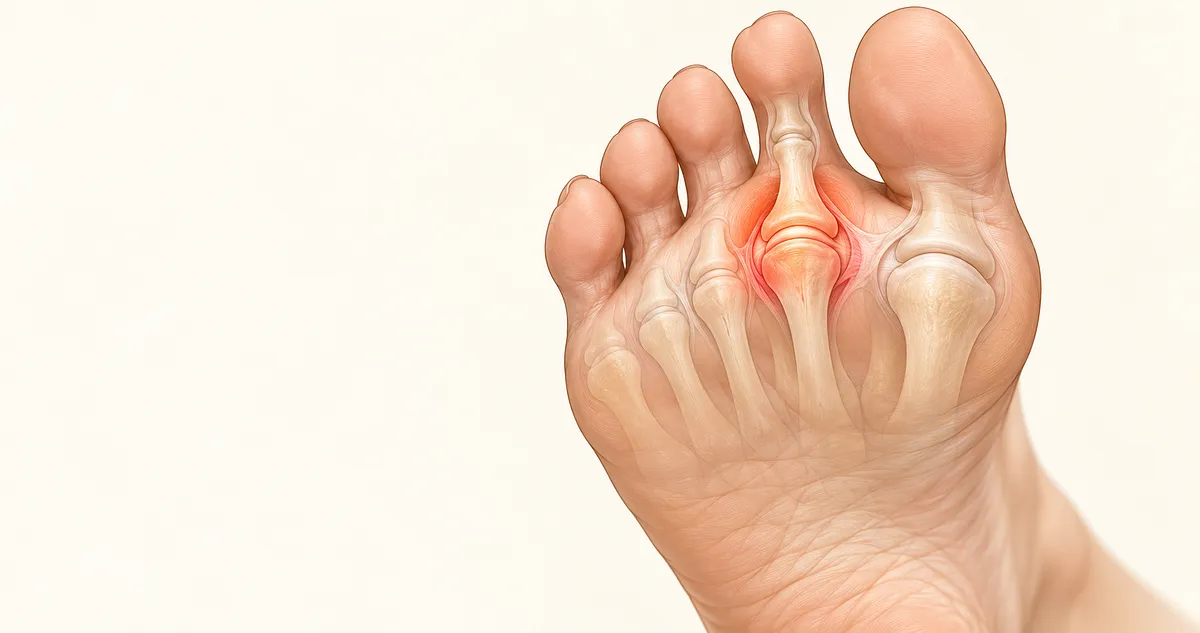
Metatarsalgia Caused by Capsulitis: When the Toe Joint Becomes the Source of Ball-of-Foot Pain
Capsulitis of a metatarsophalangeal joint can cause persistent ball-of-foot pain. Learn why it develops, how it feels and how podiatrists assess it.
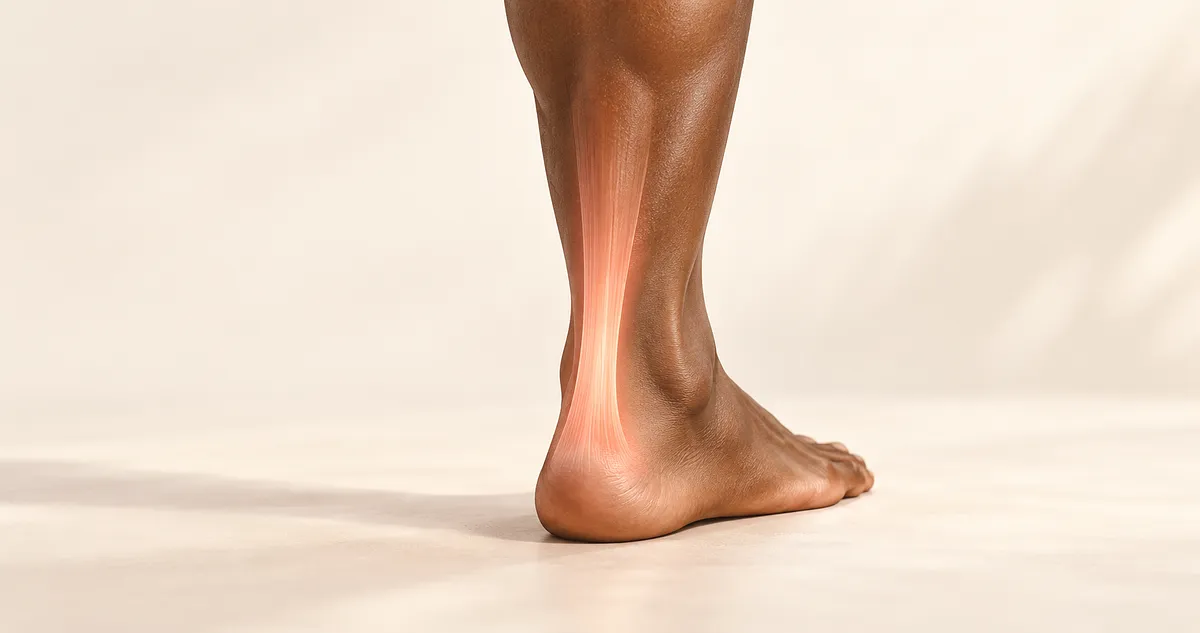
Achilles Tendinopathy: When Ankle Stiffness, Calf Tightness or Heel Pain May Be Coming from the Achilles
Achilles tendinopathy does not always present as obvious Achilles pain. Learn how foot movement and ankle mechanics influence the Achilles tendon.
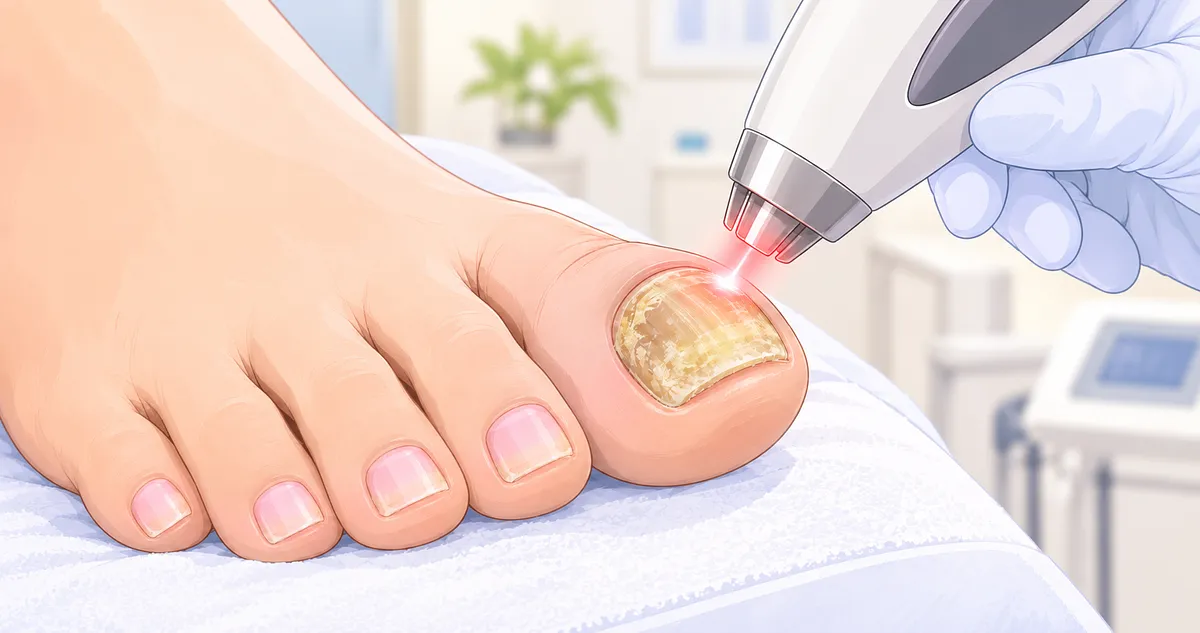
Does Laser Treatment Work for Toenail Fungus? What the Scientific Evidence Actually Shows
Does laser really cure fungal toenails? We examine randomized trials and systematic reviews to explain what laser treatment can and cannot do for onychomycosis.
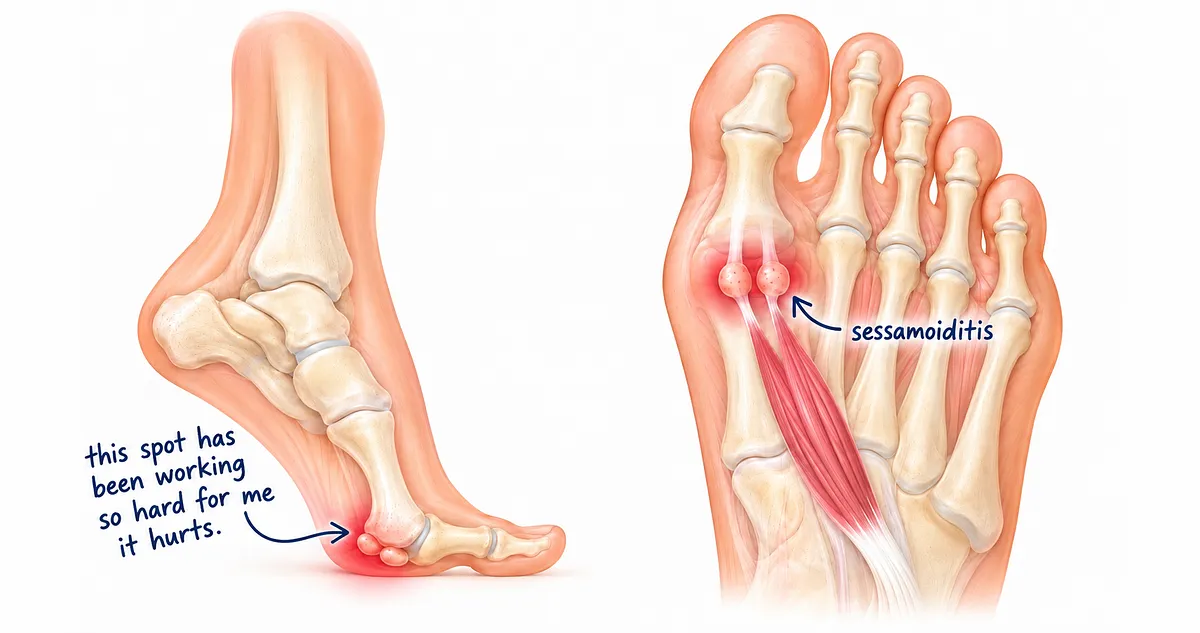
Sesamoiditis: Why Two Tiny Bones Under the Big Toe Can Cause So Much Pain
Sesamoiditis causes pain beneath the big-toe joint. Learn how the sesamoid bones work, why they become painful and how the condition is diagnosed.
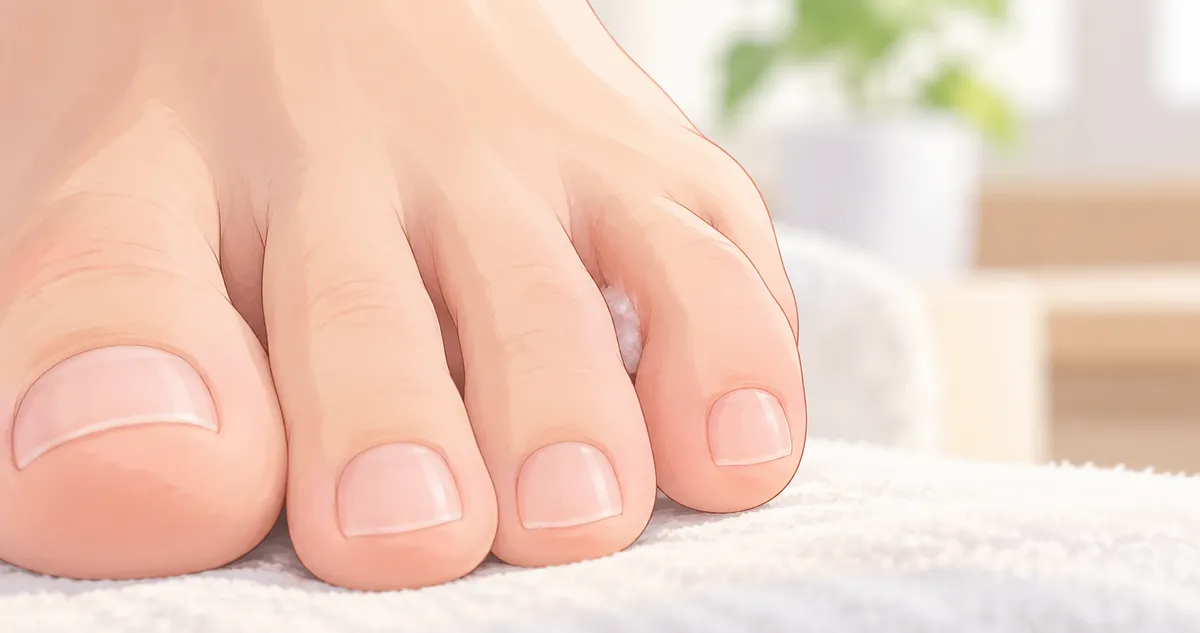
Interdigital Corns (Heloma Molle): Why Painful Soft Corns Form Between the Toes
Painful soft corn between your toes? Learn what heloma molle is, why interdigital corns form, why they recur and when to see a podiatrist.
Shin Splints: What Causes Shin Pain and How Is It Treated?
What causes shin splints? Learn why the inside of your shin hurts, how shin splints differ from a stress fracture, and what treatments may help.
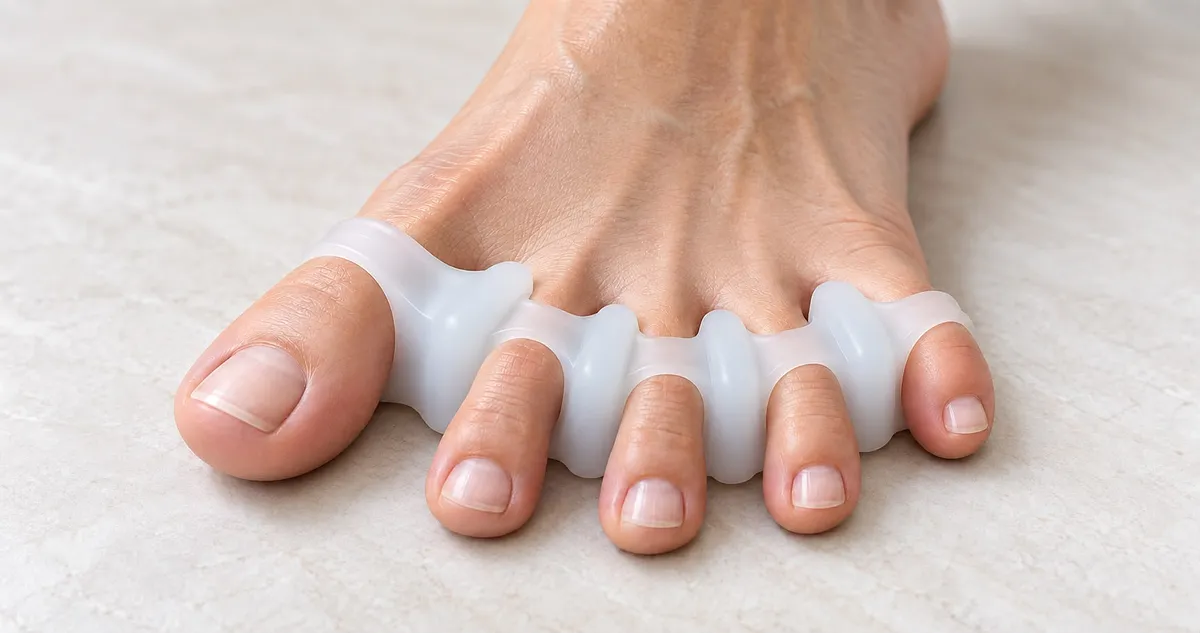
Toe Spreaders for Foot Pain and Crooked Toes: Do They Help?
Do toe spreaders help metatarsalgia, toe-joint pain or crooked toes? Learn when a fitted separator may help and why the cause of pain matters.
Two Champions, Two Paths to Speed: Chen Yujie and Shanti Pereira
Chen Yujie and Shanti Pereira show two different paths to elite sprinting. Explore their technique, age difference, muscle use and 100 m vs 200 m performance.
Expat Health Insurance in Singapore: Does It Cover Podiatry?
Before moving to Singapore, check whether your expat or employer health plan covers podiatry, foot pain, orthotics and referrals. A practical 2026 guide.
Podiatry Insurance in Singapore: 2026 Plan Comparison
Compare Singapore and international health plans that explicitly mention podiatry. Check outpatient modules, limits, orthotics and exclusions before you buy.
Who Started Podiatry in Singapore? The Story Begins in 1861
Explore records dating to 1861 and the people who built the modern hospital service from 1993 and how podiatry private practice grew in Singapore
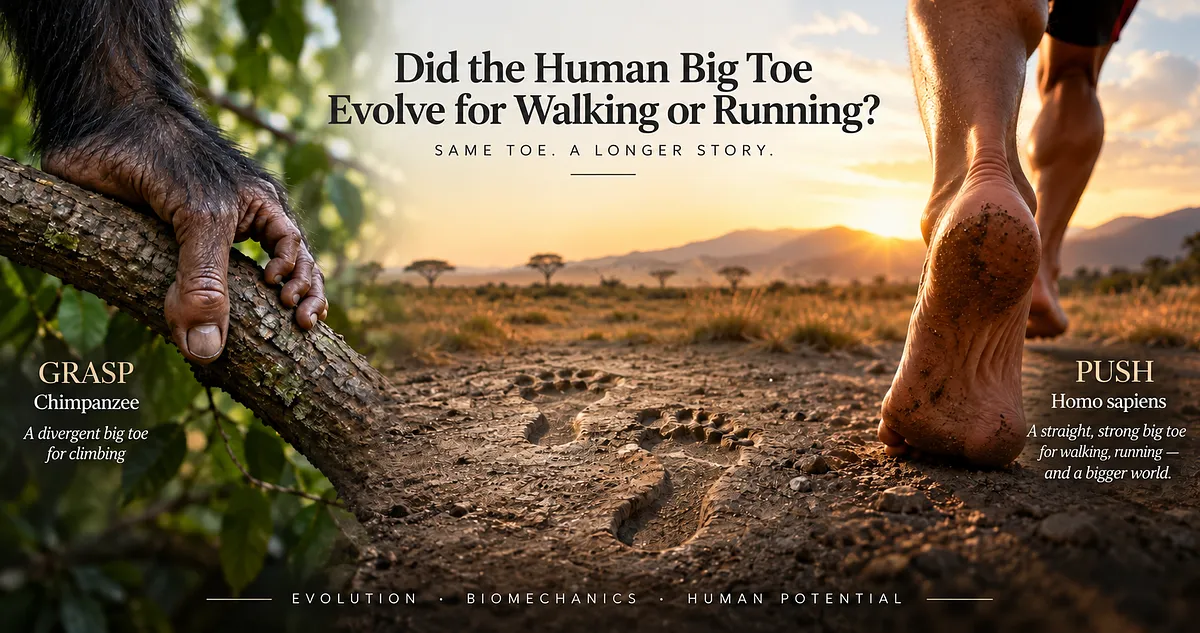
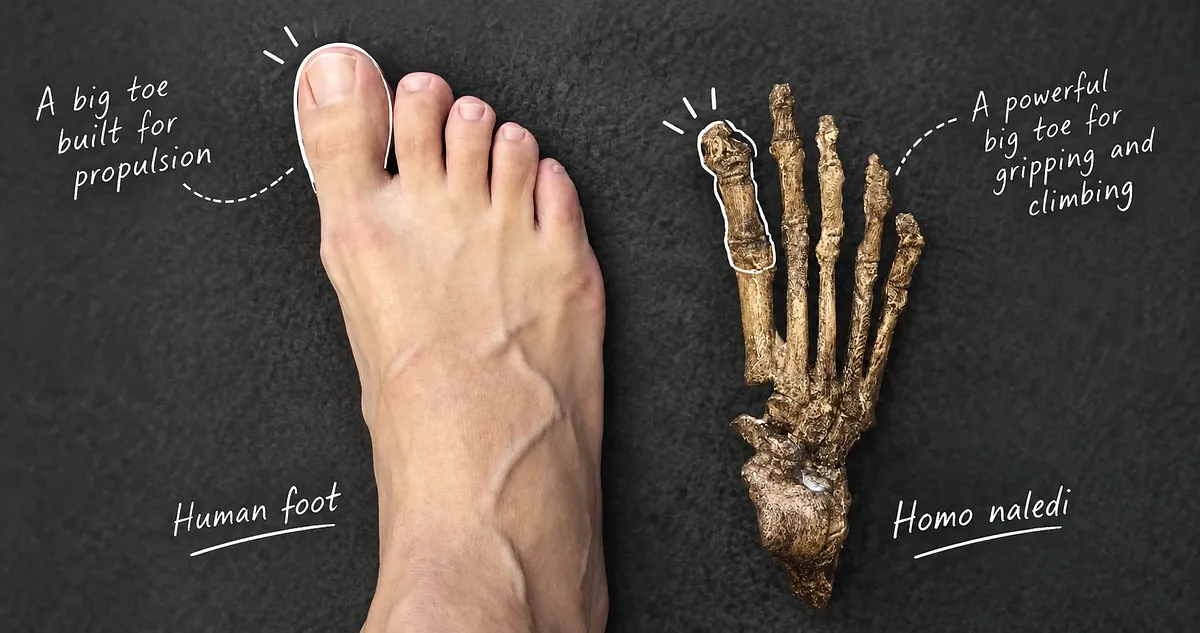
Did the Human Big Toe Evolve for Walking or Running? The Evolution of Our Toes, Foot Arch and Plantar Fascia
Did our big toe evolve for walking or running? Fossils and biomechanics reveal how bipedal walking came first and running may have reshaped our feet.
Why the Big Toe Matters: How Evolution Shaped the Human Foot for Walking and Running
Why is the big toe so important? Explore how evolution transformed the hallux from a grasping toe into a key part of human balance and propulsion.
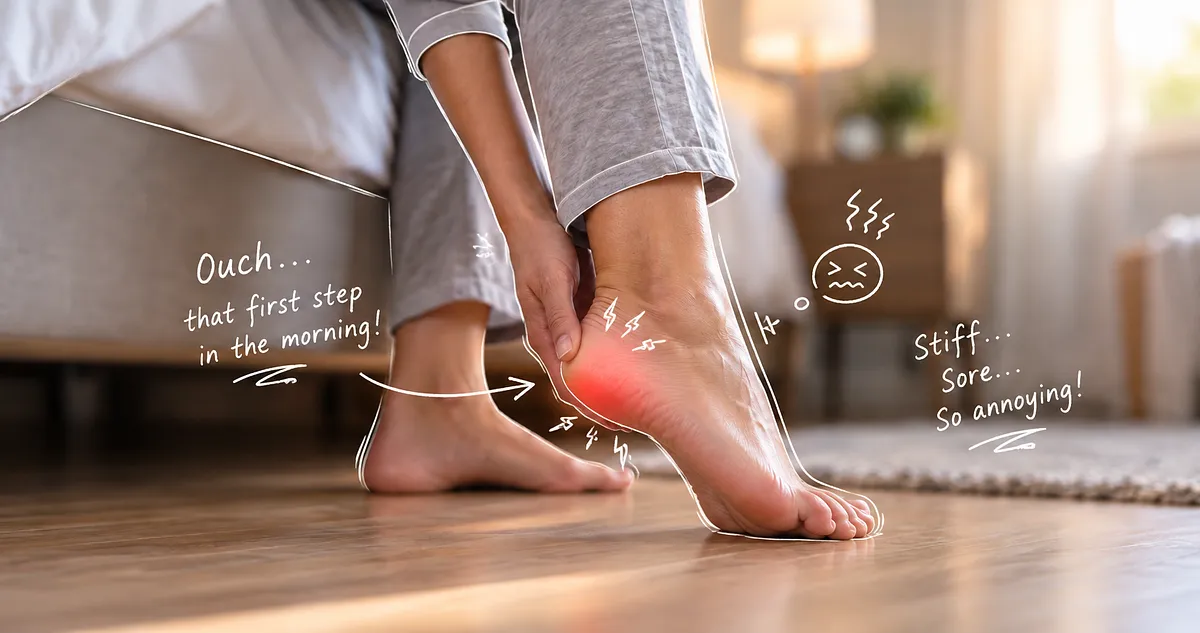
Why Does My Heel Hurt When I First Get Out of Bed? The Science of Early-Morning Heel Pain
Morning Heel Pain After Rest: Why Your First Steps Hurt, Why the Heel Feels Stiff, What Is Happening in the Foot and When It May Not Be Plantar Fasciitis at All
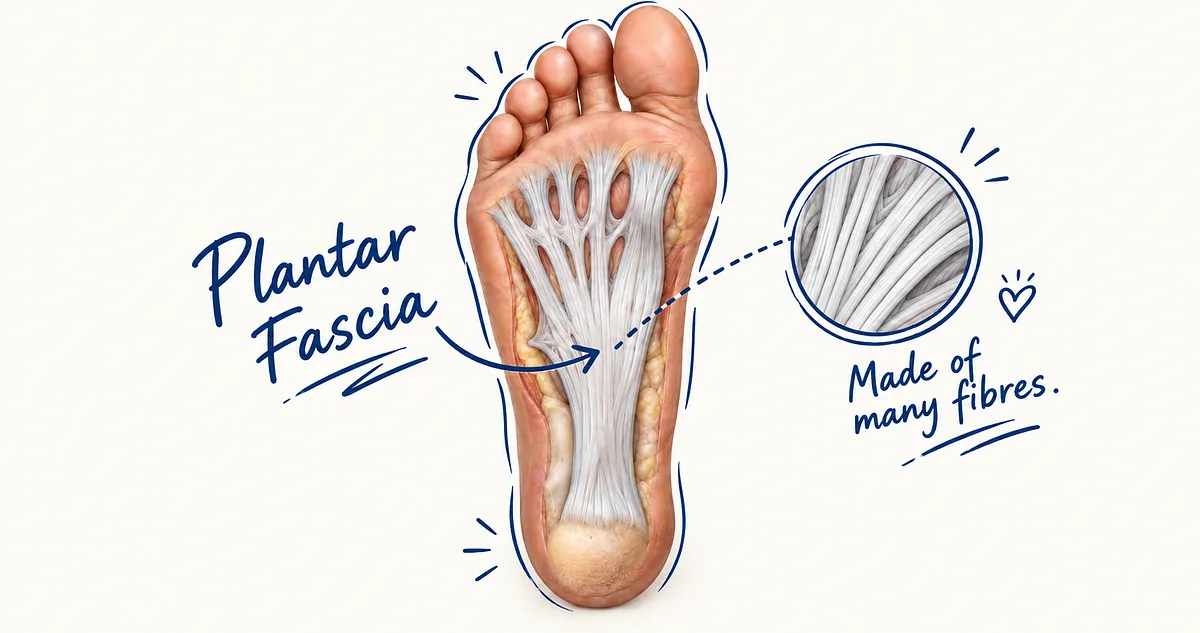
Fascia: What It Is, What It Does and Why It Hurts
What is Fascia? Explore its structure, function and role in leg and foot pain, including the latest research on plantar fascia and plantar fasciopathy.
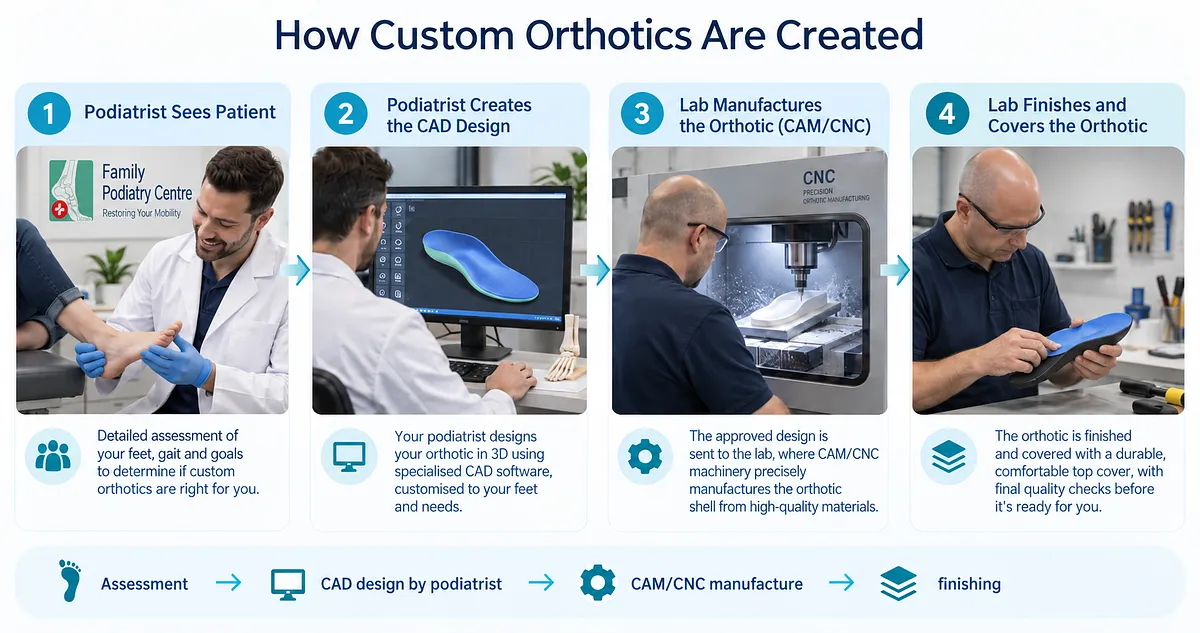
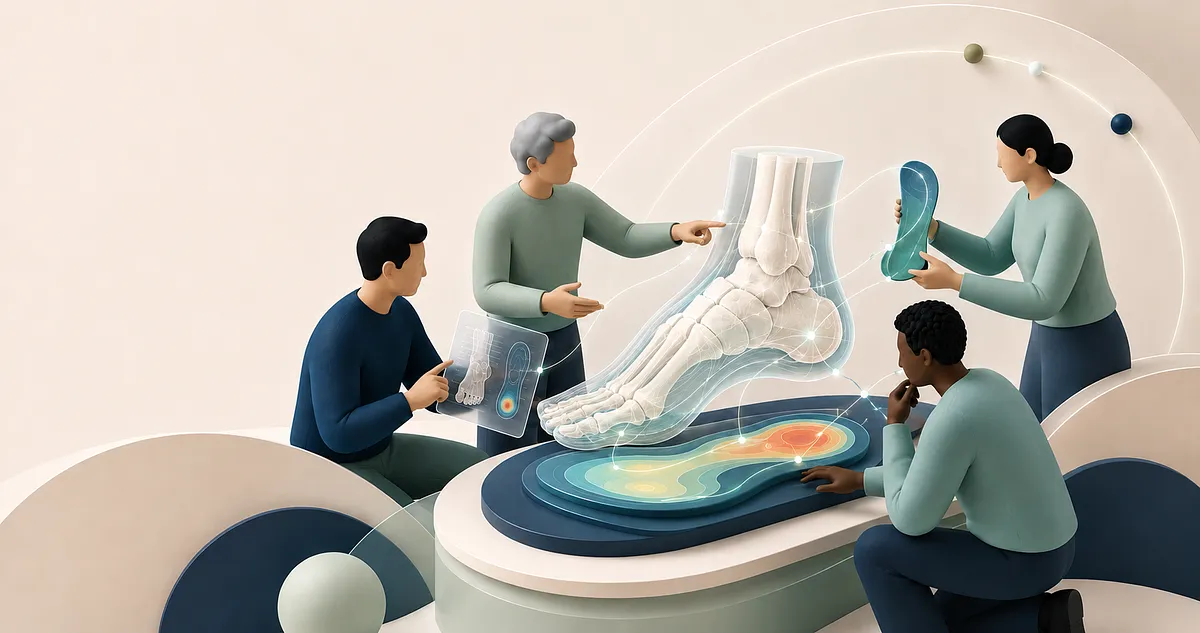
Custom Orthotics in Singapore: Who Actually Designs and Makes Your Orthotics?
Who actually designs and makes your custom orthotics? Learn why CAD design, laboratory control and prescription integrity matter when orthotics are made.
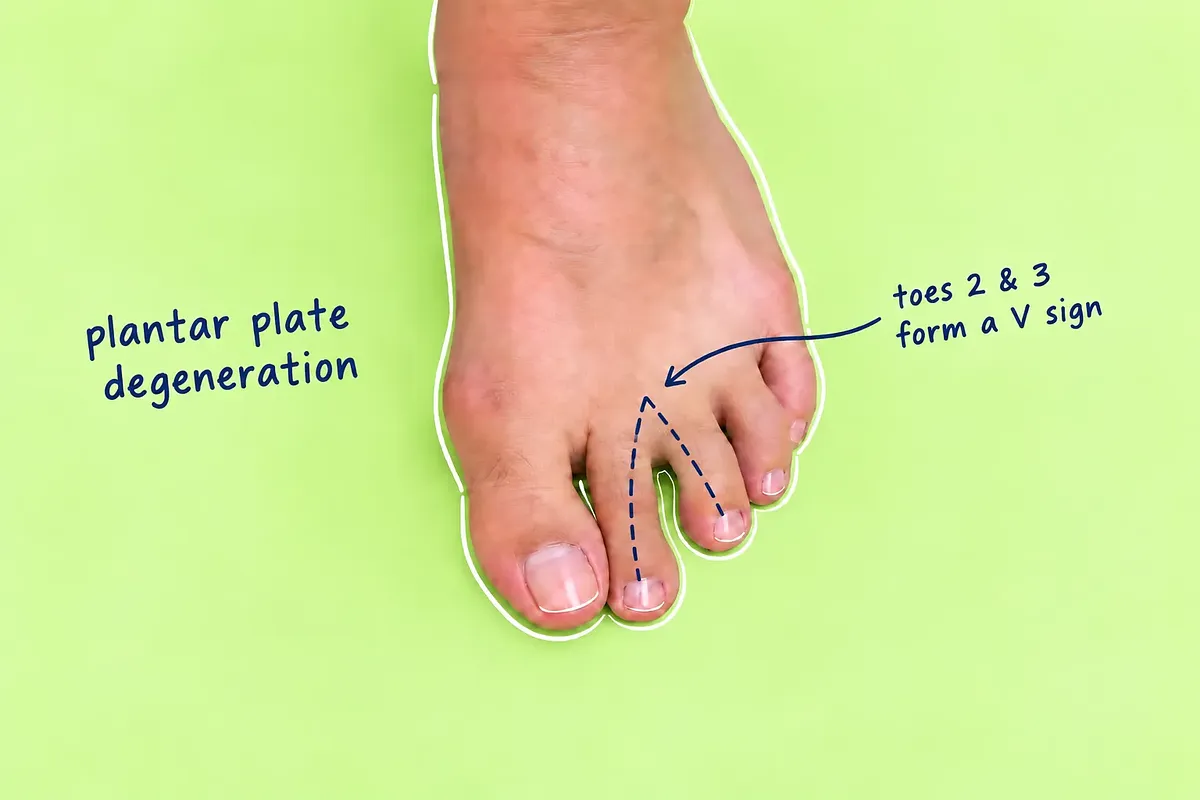
Plantar Plate Degeneration: Why the Joint Beneath Your Toe Starts to Fail
Plantar plate degeneration can cause pain beneath the second toe & a new gap between the toes. Learn the early signs, causes & treatment options.
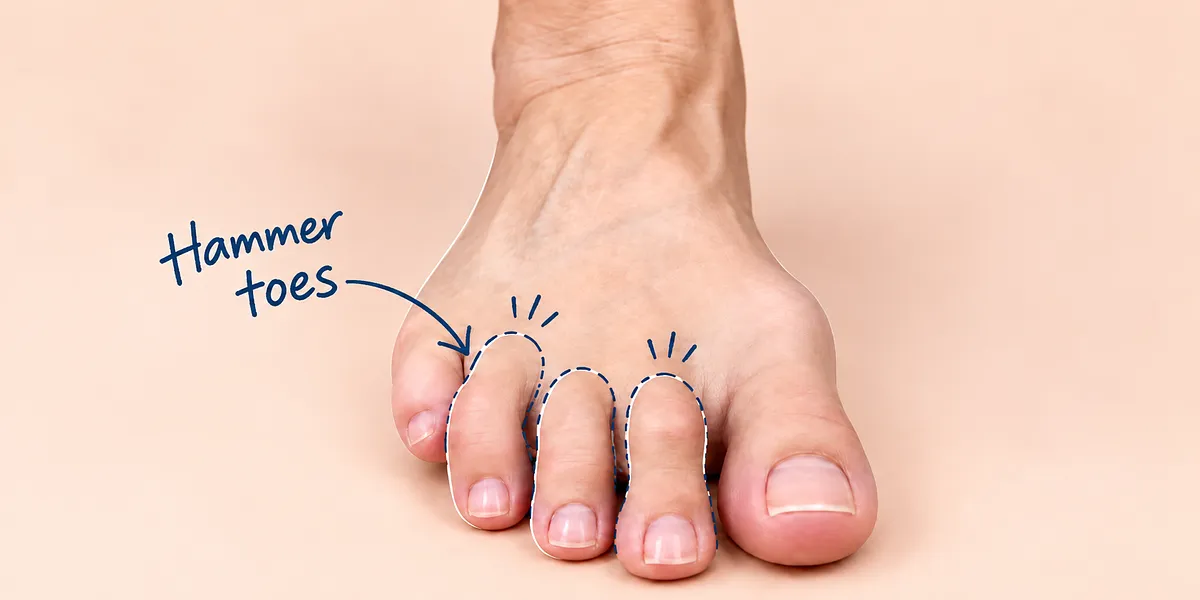
Hammer Toes: Why Toes Curl, What Actually Causes Them and What You Can Do About Them
Hammer toes explained: discover the causes, early warning signs, symptoms, treatment options and when to see a podiatrist for professional care.
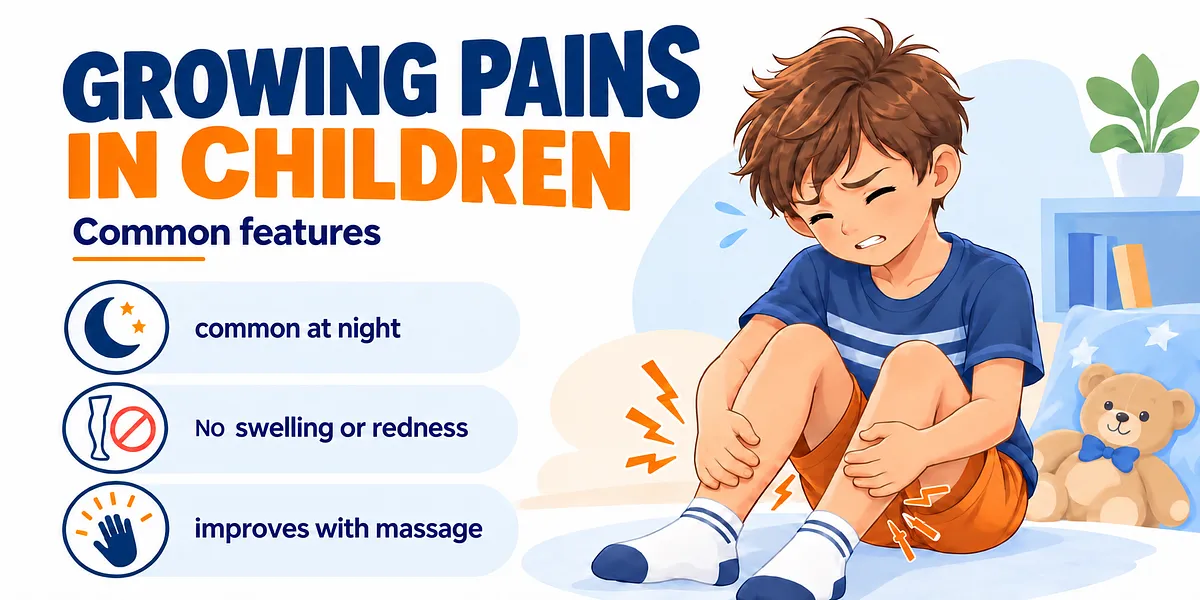
Growing Pains in Children: Does Growing Really Cause Leg Pain?
Growing pains are real—but growing may not cause them. Explore the latest evidence on childhood leg pain, activity, hypermobility, vitamin D, foot posture and warning signs.
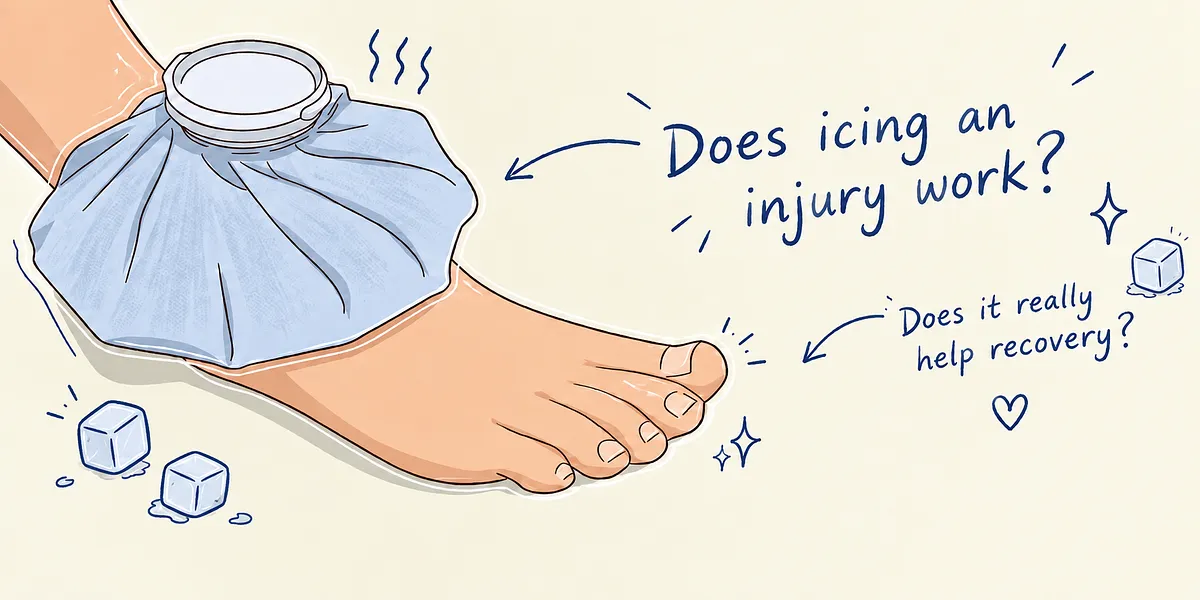
Does Icing an Injury Actually Work? The Science Behind Ice, Inflammation and Healing
Does icing an injury really speed healing? We examine the latest evidence on ice, inflammation, swelling, pain and modern soft-tissue injury recovery.”
UTMB 2026: The Shoes, Bodies and Biomechanics Behind the Fastest Men’s Podium Ever
A podiatrist & researcher analyses Ben Dhiman, Baptiste Chassagne & Caleb Olson, their trail supershoes, carbon-plates & stack heights behind UTMB 2026.
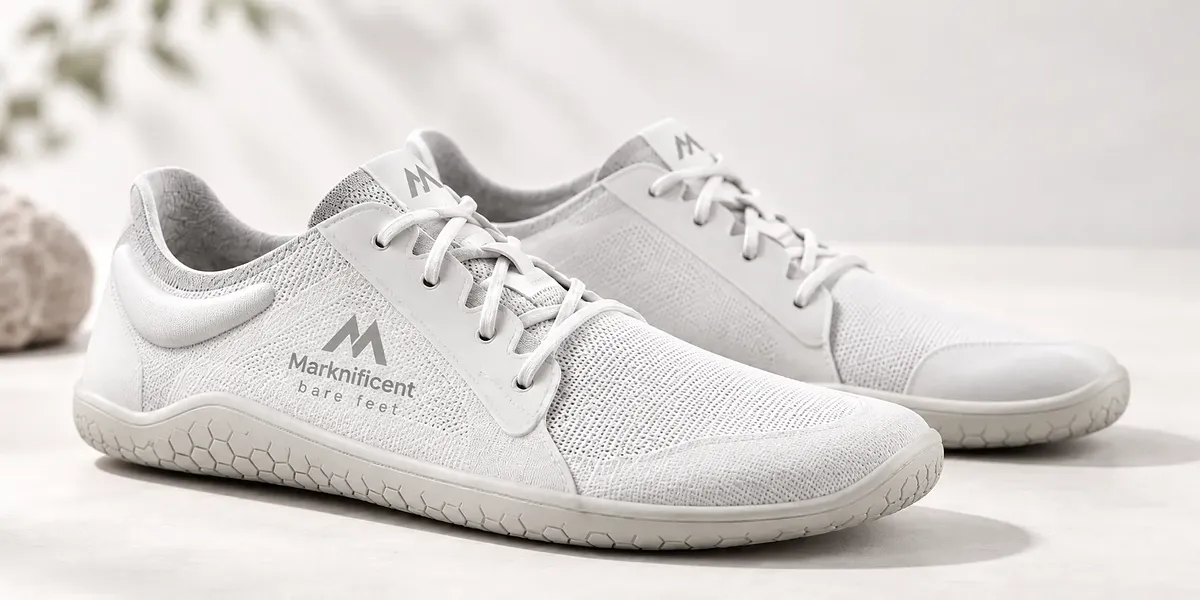
Barefoot Shoes: Are Minimalist Shoes Really Better for Your Feet?
An evidence-based look at barefoot shoes, foot strength, injury risk, running and gym training
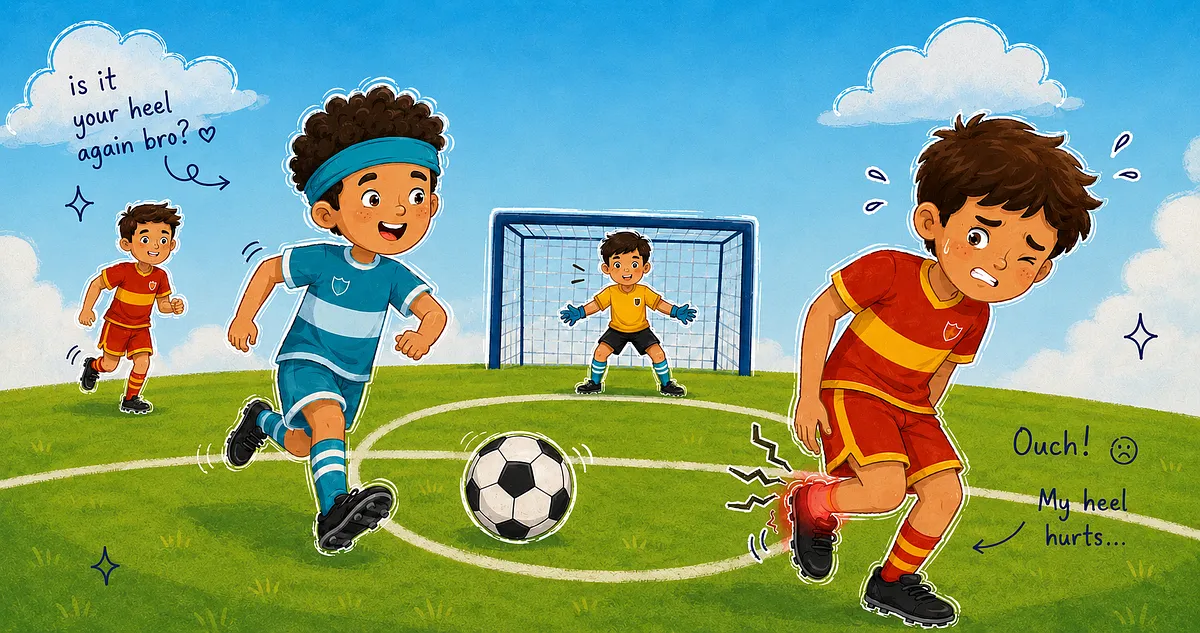
Sever’s Disease in Children: The Complete Evidence-Based Guide to Heel Pain, Growth and Sport
Is your active child struggling with heel pain? Read our evidence-based guide to Sever’s disease to understand how growth impacts the heel and how to manage it.
Build Your Podiatry Career in Singapore or Malaysia
Explore podiatry careers with Family Podiatry Centre in Singapore and Malaysia. Join a clinician-led practice built around thoughtful care and biomechanics.
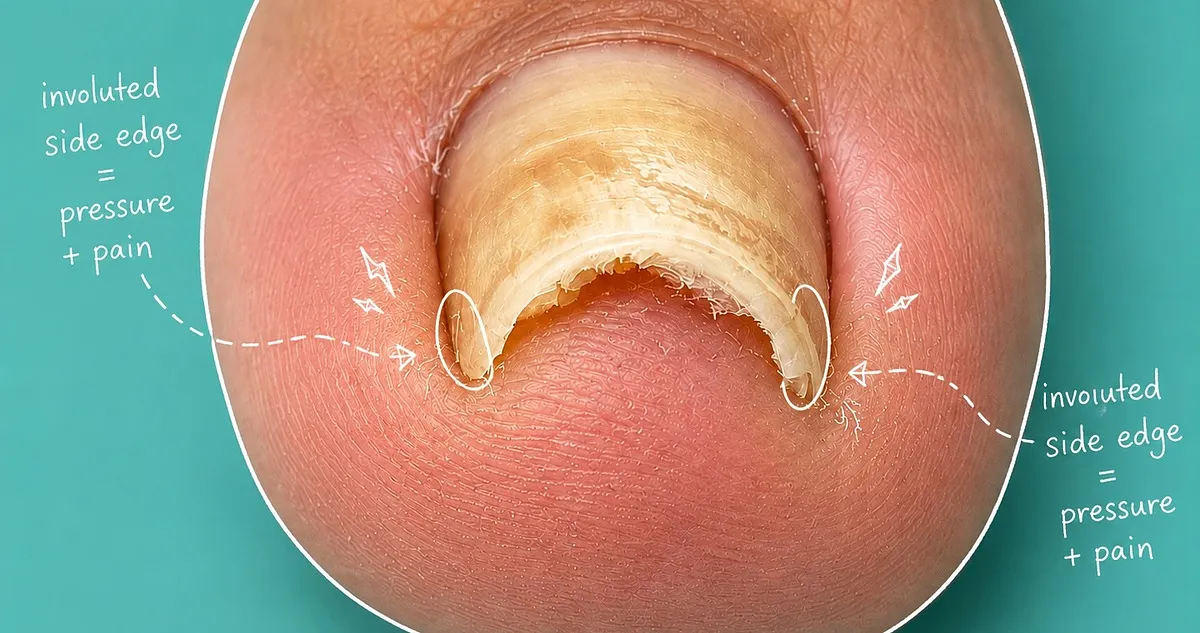
Curved Toenail Pain: Involuted & Pincer Nails Explained
An involuted toenail curves excessively and presses painfully into the sides of the toe. Learn why it happens and how podiatrists treat curved and pincer nails.
1
2
4
All rights reserved |
Blog

.png)